

How to Cut Your Bills Without Killing Your Lifestyle
A practical, no-shame system to lower monthly expenses by targeting waste (unused subscriptions, overpriced plans, energy leaks, and “set-it-and-forget-it” insurance), so you keep the things you actually enjoy.

- Profits of Pleasure
- The 60-minute bill audit (do this before you cancel anything)
- A quick map of where the biggest painless savings usually are
- Subscriptions: keep what you love, stop paying for what you don’t
- Utilities: Cut costs with efficiency moves you barely notice
- Internet & phone: keep the convenience, cut the price
- Insurance: one of the biggest savings opportunities (that require little or no life change)
- Food without deprivation: slash your grocery bills by avoiding repeats and waste
- Medical bills: reduce the frantic by asking the right questions (and utilizing transparency tools)
- Build a “Lifestyle Budget” so you don’t rebound-spend
- Common mistakes (and how to avoid them)
- A one-page checklist you can reuse every quarter
- FAQ
Cutting bills shouldn’t equal “no fun, ever.” The key is to stop paying for things you don’t use, overbuy, or accidentally overpay for—but protect the few expenses that actually make your life better.
TL;DR
- Do a 60-minute “bill audit”: list every recurring charge, then write “Keep,” “Lower,” “Replace,” or “Cancel” next to each.
- Start with the biggest targets that won’t affect your day-to-day experience of life: insurance shopping, subscription cleaning, and utility efficiency.
- Scripts for getting promos, waiving fees, and downgrading plans—plus, make sure to get written confirmation of whatever you land.
- Mail it in: set calendar reminders to renew, to do an annual re-shop of insurance, and to do a quarterly subscription/convenience audit.
Profits of Pleasure
The biggest win from a chopping spree comes when you ditch the invisible stuff—the stuff you pay for that isn’t making an impact. “Waste” goes away regardless, and you’re just Turbo-enjoying life. Things in the “waste” category: insurance you never re-shopped, that wasted extra $3 on the cloud storage you pay for even though you never use it? Redundant subscriptions, fees, energy leaks that ooze money. “Joy” goes in the keep/download list because you actively choose to use it—and it makes your life better—it’s your favorite gym class, one streaming service you actually watch, that expensive weekend coffee with friends. – Your objective: guard your exhilaration with a “lifestyle budget,” and pay for it by eliminating waste.
The 60-minute bill audit (do this before you cancel anything)
This is the quickest way to uncover savings without guesswork. You’re going to create a “recurring charge inventory,” then select your easiest high-stakes victories.
- Pull the last 2 months of all your statements: checking + every credit card (PDFs are fine).
- Highlight every recurring charge (anything that repeats monthly/quarterly/annually).
- Put them in one list with: company, amount, how often, and what card/account it hits.
- Label each line: Keep (worth it), Lower (same service cheaper), Replace (swap providers), Cancel (not worth it).
- Sort by dollar amount (largest first). Pick your “Top 3 Targets” for this week.
- Write calendar reminders: 7 days before any free trial ends, 30 days before any annual renewal, and a quarterly “subscription review.”
A quick map of where the biggest painless savings usually are
High-impact bill cuts that usually don’t “feel” like lifestyle cuts
How to find these areas.The categories where the biggest painless savings usually are.
| Category | Why it’s a good target | Best first move | Lifestyle impact |
|---|---|---|---|
| Insurance (auto/home/renters) | Prices vary widely; many people never re-shop | Get 2–3 quotes at renewal; adjust deductibles | Low (if coverage stays appropriate) |
| Subscriptions & memberships | Death by a thousand small charges | Cancel, pause, or downgrade; rotate services | Low to medium (you choose what stays) |
| Internet & phone | Promos expire; plans drift upward | Ask for retention promos; switch to MVNO/prepaid | Low (same speed/coverage if chosen well) |
| Utilities (electric/gas/water) | Small upgrades can pay back quickly | LEDs, thermostat settings, water-heater temp | Low (often improves comfort) |
| Food at home | Big spend; easy to overspend without noticing | Repeatable meal plan + fewer impulse trips | Low (keep favorites; reduce waste) |
Subscriptions: keep what you love, stop paying for what you don’t
The best approach to cutting subscriptions is to avoid the “all-or-nothing” model. Aim to build a small rotation: maintain one or two services that you use constantly, and rotate the remaining ones.
- Rank each subscription, a) must-have, b) nice-to-have, c) forgot-I-had-this and cancel back that “forgot” group.
- Cancel the “forgot” group immediately.
- Downgrade the “nice-to-have” group (ads plan, cheaper tier, or pause).
- Create a rotation rule: Only 1 premium streaming service at a time (swap monthly).
- Move all subscription billing to one credit card so audits are two minutes long.
Legal risk alert (dates matter): On October 16, 2024, the FTC officially enacted the much-discussed “Click-to-Cancel” rule, then on July 8, 2025 it was vacated by a federal appeals court. As of May 17, 2026, do not assume Click-to-Cancel applies across the U.S. and companies cannot deny cancellation; instead use your unique protections: cancellation proof (in writing), card disputes for unauthorized charges, and trial tracking that suits you best. (ftc.gov)
Negotiation script: “I want to keep this, but the price doesn’t work”
“I’ve been a customer for [X] years. My bill is now $[Y]. Are there any promos, loyalty rates, or cheaper plans with similar features?”
“If not, can you help me downgrade to the lowest plan that still includes [feature you truly use]?”
“Before I decide, can you confirm any changes in writing (email) and the exact amount I’ll be charged next month?”
Utilities: Cut costs with efficiency moves you barely notice
Utilities are also great for “lifestyle-safe” savings since the goal is the same comfort leve, for less money. Think lighting, hot water, heating/cooling first; they’re common heavy hitters in many homes.

- Change your frequently-used bulbs to high-LEDs (fast win) The Department of Energy says lighting is ~15% of an average home’s usage, and switching to LED lighting is one way to cut the energy bill fast (they cite $225 year household avg savings!) Start with the bulbs that are “on” the most: kitchen, livingroom, exterior lights, hall. (energy.gov). 1)Make a list of the 10 bulbs in your own house that are on most (not the whole house) 2) Change to LED replacements (look for ENERGY STAR cert if you want a quick quality filter). 3) Be careful if a fixture is “enclosed” that the bulb you’re choosing is rated for enclosed fixtures to avoid rapid failure!
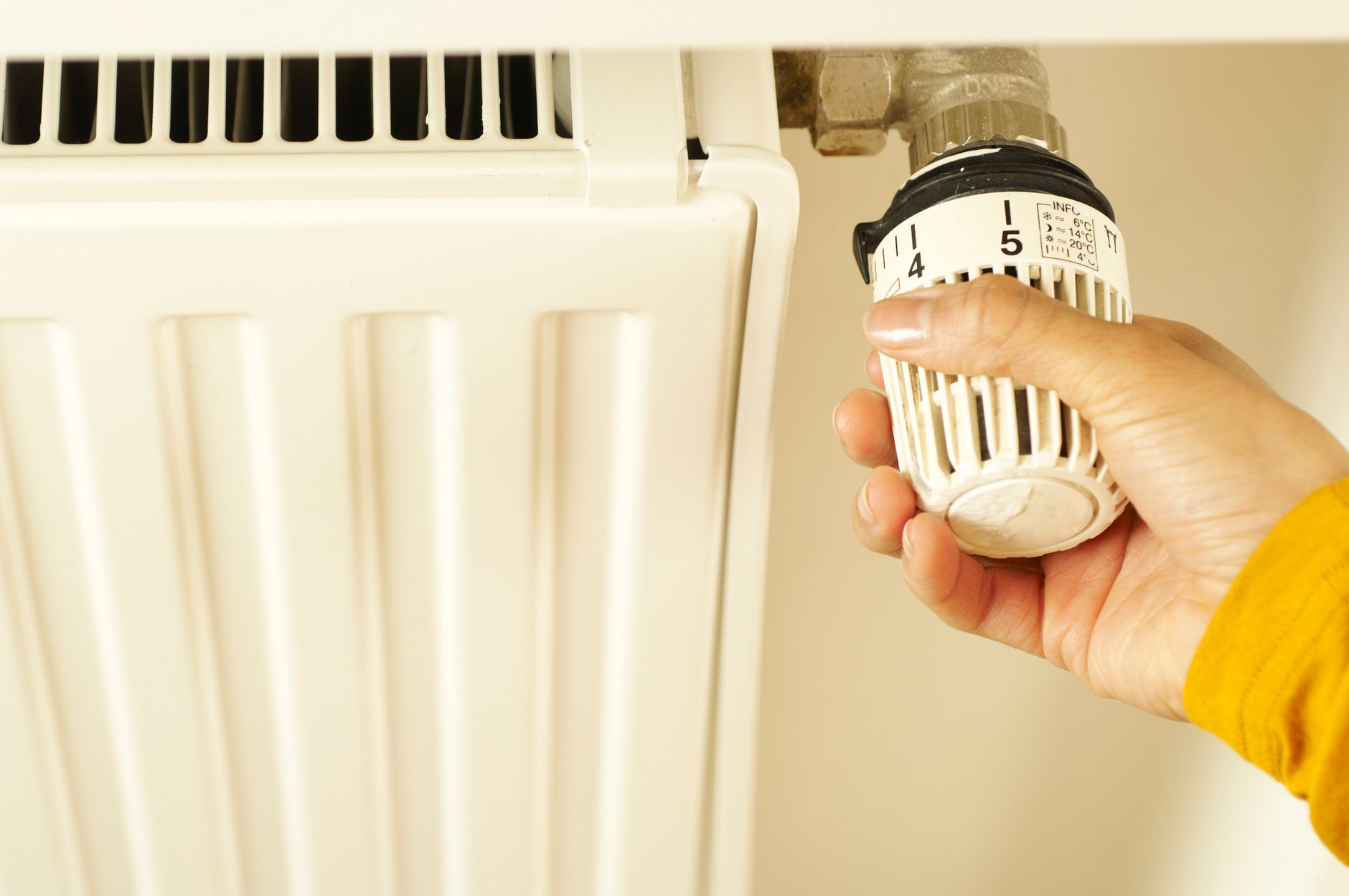
- Lower your water-heater temperature (zero-impact, high “we do!”)-safe. The Department of Energy says that some manufacturers ship water-heaters set to 140°, but most present households only need 120°. Turning down the setting can save energy, and reduce risk of scalding! Consult local professional for special household health issues (energy.gov). 1) Safety note: If you aren’t sure if you have a gas or electric water heater (or don’t want to investigate by opening panels), HIRE! A licensed plumber 2) Okay, can we go yet? If I swing it, y’know.3) Save! By doing nothing! Use a smart thermostat (or..schedule, if that’s your jam) to do “set-and-forget” savings for you! If “fueling” is a big part of your monthly bill, automation helps, because it takes daily will to the curb! ENERGY STAR’s smart thermostat FAQ estimates average savings at about 8% of heating and cooling bills (about $50/year on average). (energystar.gov)
If you already have a programmable thermostat: make a simple weekday schedule (wake, away, home, sleep) and leave it alone for 2 weeks before tweaking it.
If you’re considering smart thermostats: check compatibility first, and choose features you’ll actually use (scheduling, geofencing, learning).
How to verify savings: compare usage (kWh/therms) on your utility bill for similarweather months—not just the dollar amount.

4) Consider a home energy audit (especially if you have “mysteriously high” bills)
A home energy assessment (energy audit) can help you develop a holistic understanding of your home’s energy use, comfort, and safety—and rank which upgrades will matter most. The Department of Energy also says you can look for qualified auditors through local/state energy offices and similar resources. (energy.gov)
Internet & phone: keep the convenience, cut the price
These bills are often negotiable, since the companies would prefer to keep you at a discount than lose you altogether. Your best leverage is being ready to switch.
Ask for promos (especially if your intro rate expired).
Downgrade speed tiers if your household doesn’t need maximum speed.
Switch to prepaid/MVNO cell plans if you don’t need premium perks.
Bundle only if it’s cheaper and you’d buy each service anyway.
Negotiation script: internet/cell
- “My bill is $[X]. I’m considering switching. What promotions or retention offers can you apply to bring this down?”
- “What’s the lowest-cost plan that still gets me [minimum speed / hotspot / data]?”
- “Can you confirm the new monthly price (including fees) and how long it lasts?”
Insurance: one of the biggest savings opportunities (that require little or no life change)
Insurance is often a “silent overpayment” because it usually renews automatically and feels hard to shop for. According to the NAIC, you should shop around (the prices for the same coverage vary among companies), adjust deductibles/coverage, and review your policy each other year. (content.naic.org)
- When it’s time to renew, get quotes for different insurance companies (you’ll want comparable quotes, meaning comparable coverage limits and deductibles).
- Ask if you have any discounts not applied (multiple policy, good driver, auto pay, paperless, good driver training, etc.).
- If you have an emergency fund, raise your deductibles.
- After big life events (like getting a new car, moving to a new place, your kid getting their driver’s license or adding a new roof), re-look at what coverage you actually need.
Food without deprivation: slash your grocery bills by avoiding repeats and waste
On the road to frugality, you don’t need a “perfect” meal plan. You just need a repeatable system that prevents extra trips to the store and takeout because nothing in the fridge sounds appetizing.
- Pick 6–8 “default meals” your household actually enjoys (2 breakfasts, 2 lunches, 4 dinners)
- Assign 3–4 dinners per week (leave 1 or 2 nights flexible)
- Shop once, with a list; buying “backup” easy meals (frozen veggies + protein + something starchy like rice or pasta)
- Decide 2 convenience splurges that you’ll keep regardless, and cut 2 that you won’t really miss. (A good friend of mine ditched pre-cut or easy peel fruit to make room for her dairy products…so fun to see food priorities that differ so much!)
How to know the savings are real: Track week over week grocery spending for 4 weeks, then look month-over-month (don’t judge a single week)
Easiest lifestyle-safe swap: store brands for ingredients (definitely not for your favorite “guilty joyful” snacks)
Hidden leak: “small” top-up trips to store—almost every time you go you come home with something that counts as “extra” or “not planned”
Medical bills: reduce the frantic by asking the right questions (and utilizing transparency tools)
Although medical costs are certainly controversial, there are lots of options. According to CMS, hospitals are mandated (under Hospital Price Transparency rules) to make standard charges for the items that they provide, public.
On top of that, CMS guidance for providers suggests that you know that if you can’t afford a bill, it’s ok to go ahead and ask them if they offer a payment plan or if they might be willing to “cut the bill down for you.” (cms.gov)
To take the frenzied and frantic out of medical bills (and help you reduce them at the same time):
- Before paying: ask for itemized bill and compare it to insurer’s Explanation of Benefits (EOB)
- Ask billing office: “Is there a self-pay discount, prompt-pay discount, or financial assistance policy?” If you can’t pay in full: ask about a payment plan and get the terms in writing
- For planned care: use pricer transparency tools and locations where possible.
Build a “Lifestyle Budget” so you don’t rebound-spend
Most bill-cut plans fail because they feel like punishment. A lifestyle budget solves that: you pre-decide what stays so you don’t think twice about every purchase.
- Choose 3–5 “joy categories” you refuse to whack (examples: fitness, dining out once/week, travel fund, hobbies, kids’ activities).
- Set a realistic (but firm) monthly cap in each category.
- Everything else gets optimized: your subscriptions, plans, fees, and “default” undisciplined spending.
- When you find a savings, give it a new job (debt payoff, emergency fund, or whatever savings goal).
Common mistakes (and how to avoid them)
- Cutting everything at once.Ever heard of burnout? Start with your Top 3 Targets.
- Chasing tiny wins before big ones.Clipping a coupon for $5 when you’re wasting $60 on a plan mismatch.
- Cancelling but not confirming.Get your confirmation email/screenshot that it’s done (and don’t despise yourself if you forget).
- Comparing electricity bill only by dollars.Better to compare the use kWhs (or therms) for similar weather: if it snowed last year and not this year, it’s not apples to apples!
A one-page checklist you can reuse every quarter
- Subscriptions: Cancel/rotate at least 1 service you didn’t use last month.
- Phone/internet: Did your promo end? What’s the current retention offer?
- Insurance: Have the dates for renewals in your calendar; shop 2–3 quotes when you renew.
- Utilities: Replace the 5 to 10 more frequently used bulbs with LEDs (if you haven’t already); check the schedule for your thermostat; review your use in the bill.
- Food: Reuse the meal list from last month, cut down on trips to the store to “top up.”
- Admin: One card/account for all recurring bills and bills on auto-pay, with alerts for when to renew.
FAQ
What bills are most negotiable?
Internet, mobile plans, subscriptions and some medical bills. These are often the most flexible in terms of promos, downgrades, and payment plans. Insurance is also “negotiable” if you shop around and adjust your deductibles and coverage appropriately.
How often should I do a bill audit?
Quarterly is a good default, plus your bigger review at insurance when you renew. Also do one when income changes or when you add a new recurring service.
Why is my utility bill so high?
Chances are you need to take an even closer look at your utility bills. [Editorial note: This FAQ may be a good fit for the REsources section]
Do smart thermostats really save money?
They can, and at worst they can keep you from making a non-automatic setback. Generally, ENERGY STAR says homeowners on average realize savings equal to about 8% of their heating and cooling bills (about $50/year on average), but your results will vary by home, climate and how you use your home. [ENERGY STAR] (__https://www.energystar.gov/products/heating_cooling/smart_thermostats/smart_thermostat_faq?utm_source=openai)
If I cancel a company and they keep charging, what do I do?
First, save proof of cancellation. Next, write, call, or visit the company to complain about the bill; and if the charges keep showing up, dispute charge with card-issuer at bank/credit union (chargeback). The FTC has consumer guidance on unauthorized subscriptions that can help you take another look and show you how to dispute your own charges. [FTCC] (__https://consumer.ftc.gov/node/81042?utm_source=openai)