TL;DR
- Start with a 24-hour pause. Do not sign up for debt relief, borrow in a panic, or pay an unfamiliar collector before you know what you actually owe. CFPB and FTC guidance both warn against guarantees, upfront-fee promises, and unverified debt collection contacts. (consumerfinance.gov)
- Protect high-consequence bills first. CFPB’s prioritizing-bills materials put housing, utilities, work transportation, and insurance near the top because the fallout from missing them can be immediate and severe. (files.consumerfinance.gov)
- Call creditors early. CFPB says you do not need to be behind on a credit card to ask for help, and FTC guidance says to contact creditors before a debt collector gets involved if you can. (consumerfinance.gov)
- Check your credit reports and verify collection accounts. CFPB says checking your own credit report does not hurt your score, and you can review your reports online for free once a week. (consumerfinance.gov)
- Get specialized help fast if the mess includes housing, taxes, or impossible debt math. HUD-approved housing counselors, IRS payment options, and a bankruptcy consultation can all be more useful than trying to improvise alone. (hud.gov)
A financial mess is not proof that you are irresponsible, broken, or bad with money forever. In real life, people end up here because income dropped, a relationship changed, a medical bill landed at the wrong time, a tax issue snowballed, or they got tired and stopped opening the mail. Shame turns a problem into a fog. Recovery starts when you replace the fog with facts.
The order matters. First protect shelter, utilities, transportation, food, medicine, and income. Then talk to creditors, verify any collections, and build a system so next month is less chaotic than this one. That sequence matches the practical direction in CFPB’s bill-prioritizing and creditor-contact guidance. (files.consumerfinance.gov)
Informational only: this article is general education, not personalized financial, tax, or legal advice. If you are facing eviction, foreclosure, wage garnishment, tax enforcement, or possible bankruptcy, talk with a qualified housing counselor, tax professional, attorney, or nonprofit credit counselor.
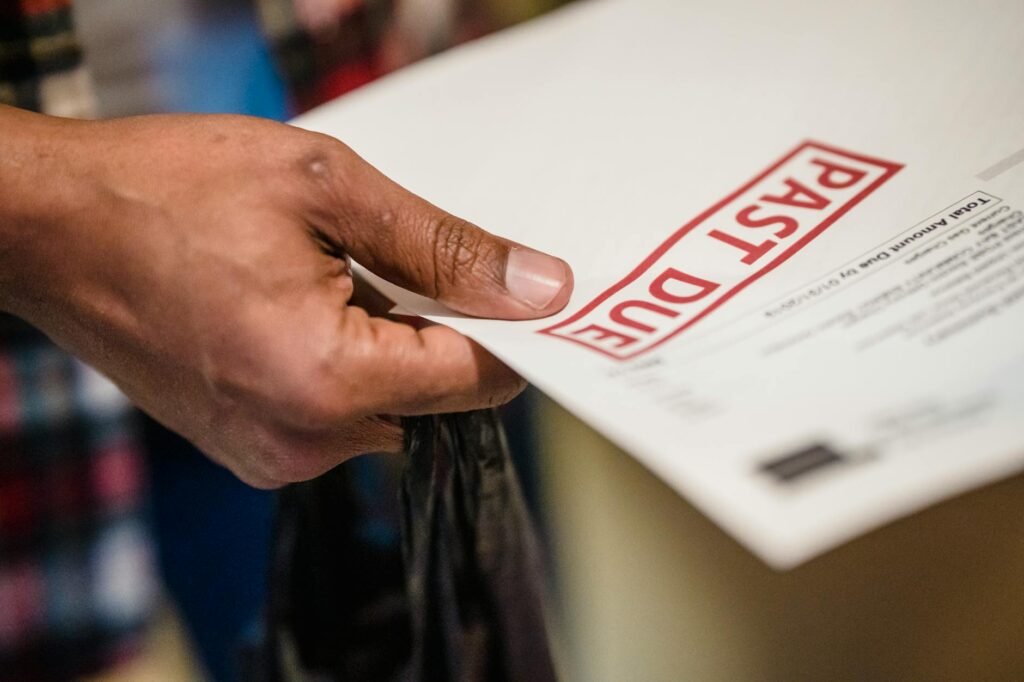
Start with a 24-hour reset
If you are panicking, your goal for the next day is not to solve the whole mess. Your goal is to avoid making it worse. No dramatic transfers. No signing up for the first rescue service you see. No sending money to the loudest caller just to stop the stress. A good reset is quiet and boring: gather statements, list deadlines, and make one written plan.
- Do not sign up with a company that says it can erase your debt, settle everything for a guaranteed percentage, or make your debt disappear. CFPB lists those promises as red flags, especially if the company tells you to stop talking to creditors. (consumerfinance.gov)
- Do not pay an unfamiliar collector before you have the validation information and have verified the debt is real. Debt collectors generally must give you key information about what they claim you owe. (consumerfinance.gov)
- Do not wait for a payment to become badly late before you ask for help. CFPB says many card issuers may help if you are facing hardship, and you do not need to be behind to ask. (consumerfinance.gov)
- Do not avoid your credit reports because you think looking will hurt your score. CFPB says checking your own report does not lower your score. (consumerfinance.gov)

Make a one-page triage sheet
You do not need a perfect spreadsheet. You need one page that tells the truth. CFPB’s budgeting and bill-calendar tools are built around the same idea: get a full picture of what is coming in, what is due, and when the pressure points hit. (consumerfinance.gov)
- Write down cash on hand, money in checking, and any paycheck or benefit payment that will arrive before your next critical due date.
- List essentials first: rent or mortgage, utilities, groceries, medications, childcare, insurance, and transportation to work.
- List every debt that is already late, with amount due, due date, and the worst likely consequence if you miss it again.
- Mark any account that has moved to collections, any legal notice, any shutoff warning, and any tax notice.
- Pull your free credit reports and circle errors, unfamiliar accounts, or collections you do not recognize. CFPB says you can review your reports online for free once a week, and AnnualCreditReport explains how to dispute inaccurate items for free. (consumerfinance.gov)
- Leave a notes column for every phone call: who you spoke with, date, what they offered, and what they promised to send in writing.
| Priority bucket | Why it comes first | What to do today |
|---|---|---|
| Housing and core utilities | These protect shelter and basic habitability. | Call the landlord, servicer, or utility today and ask for a split payment, extension, or hardship option. |
| Transportation, insurance, and childcare tied to work | These protect your ability to keep earning. | Keep the bills that preserve your job pipeline as current as possible. |
| Food, prescriptions, and immediate family needs | A budget that ignores basics will fail within days. | Set a realistic bare-bones amount before paying unsecured debt. |
| Taxes, child support, and court-related obligations | These can keep escalating even when you are trying to catch up. | Respond to notices, pay what you can, and ask about payment options or hardship treatment. |
| Unsecured credit cards, personal loans, and medical collections | Important, but usually after shelter, work access, and safety are covered. | Call early, ask for reduced payments or fee relief, and document every agreement. |
Use a 7-day recovery plan
- Day 1: Finish the one-page triage sheet. The goal is clarity, not optimism.
- Day 2: Make the smallest number of payments that protect housing, utilities, work transportation, insurance, and medicine.
- Day 3: Call every creditor you can before the next due date. Ask for hardship assistance, a due-date change, waived late fees, a temporary reduced payment, or a split payment. CFPB notes that some creditors may move due dates and that many providers offer payment flexibilities in hardship. (consumerfinance.gov)
- Day 4: Put every promise in writing or in your notes. If the representative says you are approved for a change, ask when it will appear and whether you will receive confirmation by email, letter, or portal message.
- Day 5: Pull your credit reports and compare them with your list. If a collector is reporting a debt you do not recognize, dispute it rather than paying first. AnnualCreditReport says there is no fee to file a dispute. (consumerfinance.gov)
- Day 6: If a collector has contacted you, get the validation notice and use the 30-day dispute window if the debt is wrong, already paid, or not yours. (consumerfinance.gov)
- Day 7: Build next month’s system: a bill calendar, a bare-bones budget, and one tiny emergency-savings rule, even if it is only a small automatic transfer after payday. CFPB says even a small amount can provide some financial security, but watch balances so automation does not trigger overdraft fees. (consumerfinance.gov)
Simple script: “I’m dealing with a temporary hardship. I want to keep this account in good standing if possible. What hardship options, due-date changes, fee waivers, or short-term payment arrangements do you have available, and can you send the terms in writing?”

A practical example
Let’s say Erin currently has 420 dollars in her checkbook and will be getting paid 1,150 dollars in six days. In the meantime, her rent is due, electricity is due, car insurance is up for renewal, and a medical collection agency is attempting to contact her. Erin does not send any money to the collector simply to alleviate her guilty conscience. Instead, she pays her electricity and her car insurance; she calls her landlord to see if he can split the payment of her rent; and she calls the medical collection agency to request written proof of the debt. Once Erin receives her paycheck, she will use the funds to pay her rent and not pay her unsecured obligations until after she has paid her rent. While not the most elegant method, the above actions protect shelter, utilities, and employment opportunities, which is the purpose of having a triage month to begin with. (files.consumerfinance.gov)
Know when to bring in outside help
- If housing is at risk, contact a HUD-approved housing counselor fast. HUD says its counselors offer independent, expert advice, and foreclosure, eviction, and homeless counseling are always free. If a client cannot afford a fee for other counseling, HUD agencies must waive it. (hud.gov)
- If you need structure for unsecured debt, a nonprofit credit counselor may help you build a budget or a debt management plan. CFPB says to ask about counselor qualifications, fees, and conflicts, and to confirm your creditors accepted the plan before you send payments through the agency. (consumerfinance.gov)
- If tax debt is part of the mess, do not stop opening IRS mail. The IRS says filing on time still matters even if you cannot pay in full, and payment plans are available. If you truly cannot pay and still cover basic living expenses, the Taxpayer Advocate Service explains that your account may be placed in Currently Not Collectible status. (irs.gov)
- If the math simply does not work, get a bankruptcy consultation instead of spending months chasing miracle solutions. U.S. Courts says Chapter 7 does not involve a repayment plan and can involve sale of nonexempt assets, while Chapter 13 can let someone with regular income keep property and repay debts over three to five years. (uscourts.gov)
Avoid rescue scams. FTC says no legitimate company should ask you to pay in advance for a promise of debt relief, mortgage help, or a new loan. (consumer.ftc.gov)
Common mistakes that slow recovery
- Paying the loudest caller instead of the bill with the worst consequence. CFPB’s framework is consequence-based, not emotion-based. (files.consumerfinance.gov)
- Waiting too long to contact creditors. Both CFPB and FTC guidance favor early contact, before accounts slide deeper into delinquency or collections. (consumerfinance.gov)
- Giving bank, card, or full Social Security details to an unverified collector. CFPB says not to share sensitive financial information until you know the collector is legitimate and the debt is real. (consumerfinance.gov)
- Joining debt settlement because an ad promised to cut balances dramatically. CFPB warns against guarantees, advice to stop paying creditors, and claims that debts can be erased for pennies on the dollar. (consumerfinance.gov)
- Skipping your credit reports because you feel embarrassed. CFPB says regular review helps you spot errors, identity theft, and outdated information, and checking your own report does not hurt your score. (consumerfinance.gov)
- Building a comeback plan around fantasy income. Recovery gets easier when the numbers are conservative and boring.
How to rebuild after the emergency month
Once the immediate fire is smaller, your next job is to make sure one bad week does not keep becoming one bad year. This is where people often jump too quickly to payoff strategy and ignore process. A better move is to make the month easier to run: fewer surprises, fewer fees, fewer missed dates, and at least a tiny cash buffer. CFPB’s emergency-fund guidance is useful here because it treats small savings as a stability tool, not a perfection target. (consumerfinance.gov)
- Run a bare-bones budget for the next 60 to 90 days. Keep the categories simple: housing, utilities, food, transportation, insurance, debt minimums, and one small buffer.
- Move due dates where you can. CFPB notes that some creditors may adjust due dates, and a bill calendar can help you spot the weeks that are overloaded. (consumerfinance.gov)
- Automate only what your account can safely support. CFPB says recurring transfers can make saving easier, but it also warns you to watch balances so you do not trigger overdraft fees. (consumerfinance.gov)
- Re-check your credit reports after disputes, settlements, or hardship arrangements. AnnualCreditReport says if a dispute changes your report, you can order another free report to review the correction. (annualcreditreport.com)
- Keep one living debt log. Include balance, due date, account status, and the last conversation you had about it. A messy money situation gets calmer when you stop relying on memory.
Overnight transformation into someone new isn’t the objective. Instead, becoming more easy to save the next incident. Someone who uses a bill calendar; written out triage priorities; and/or, an emergency fund (even if it’s small) makes themselves less likely of being affected in future ways.

FAQ
Should I pay collections before rent or utilities?
Usually no. When money is short, protect shelter, utilities, work transportation, insurance, and other basics first. If a collection account may be wrong or unfamiliar, verify it before sending money. (files.consumerfinance.gov)
Will checking my credit report make things worse?
No. CFPB says checking your own credit report does not hurt your credit score, and you can review your reports online for free once a week. (consumerfinance.gov)
Is a debt management plan the same as debt settlement?
No. CFPB says credit counseling organizations are usually nonprofits that help with budgeting and may set up a debt management plan to lower monthly payments. Debt settlement companies are typically for-profit firms that try to negotiate lump-sum settlements and often tell people to stop paying creditors, which can add fees, interest, lawsuits, and credit damage. (consumerfinance.gov)
How do I know if a debt collector is legitimate?
Ask for the collector’s name, company, street address, phone number, and the validation notice. CFPB says not to provide sensitive financial information until you have verified the debt and the caller is legitimate. (consumerfinance.gov)
What if my financial mess includes tax debt or mortgage trouble?
Contact the IRS or your lender quickly rather than avoiding notices. The IRS offers payment plans, and the Taxpayer Advocate Service explains that some taxpayers may qualify for Currently Not Collectible treatment if they cannot pay and still meet basic living expenses. For housing trouble, HUD-approved housing counselors can help, and foreclosure and eviction counseling are always free. (irs.gov)
References
- Consumer Financial Protection Bureau — Act fast if you can’t pay your credit cards — https://www.consumerfinance.gov/language/cfpb-in-english/act-fast-if-you-cant-pay-your-credit-cards/
- Consumer Financial Protection Bureau — Prioritizing bills (PDF) — https://files.consumerfinance.gov/f/documents/cfpb_your-money-your-goals_prioritizing-bills_tool.pdf
- Consumer Financial Protection Bureau — Does requesting my credit report hurt my credit score? — https://www.consumerfinance.gov/ask-cfpb/does-requesting-my-credit-report-hurt-my-credit-score-en-1229/
- Consumer Financial Protection Bureau — When should I review my credit report? — https://www.consumerfinance.gov/ask-cfpb/when-should-i-review-my-credit-report-en-312/
- AnnualCreditReport.com — Filing a dispute — https://www.annualcreditreport.com/filingADispute.action
- Consumer Financial Protection Bureau — What is credit counseling? — https://www.consumerfinance.gov/ask-cfpb/what-is-credit-counseling-en-1451/
- Consumer Financial Protection Bureau — What is the difference between credit counseling and debt settlement, debt-consol — https://www.consumerfinance.gov/ask-cfpb/what-is-the-difference-between-credit-counseling-and-debt-settlement-debt-consolidation-or-credit-repair-en-1449/
- Consumer Financial Protection Bureau — What is a debt relief program and how do I know if I should use one? — https://www.consumerfinance.gov/ask-cfpb/what-is-a-debt-relief-program-and-how-do-i-know-if-i-should-use-one-en-1457/
- Consumer Financial Protection Bureau — Should I share personal information with a debt collector? — https://www.consumerfinance.gov/ask-cfpb/should-i-share-personal-information-with-a-debt-collector-en-2098/
- Consumer Financial Protection Bureau — What can I do if a debt collector contacts me about a debt I already paid or don — https://www.consumerfinance.gov/ask-cfpb/what-can-i-do-if-a-debt-collector-contacts-me-about-a-debt-i-already-paid-or-dont-think-i-owe-en-1403/
- U.S. Department of Housing and Urban Development — About Housing Counseling — https://www.hud.gov/hud-partners/single-family-about-housing-counseling
- U.S. Department of Housing and Urban Development — Avoiding Foreclosure — https://www.hud.gov/helping-americans/avoiding-foreclosure