


The Loudest Bill Is Not Always the First Bill to Pay
A red notice, repeated phone call, or alarming subject line can make one creditor feel more urgent than everything else, and I find that pressure infuriating because volume is not the same as consequence. In this impossible month, pay according to what nonpayment could take away before your next income arrives, especially food, medication, housing, utilities, insurance, and the transportation or child care that keeps you working.
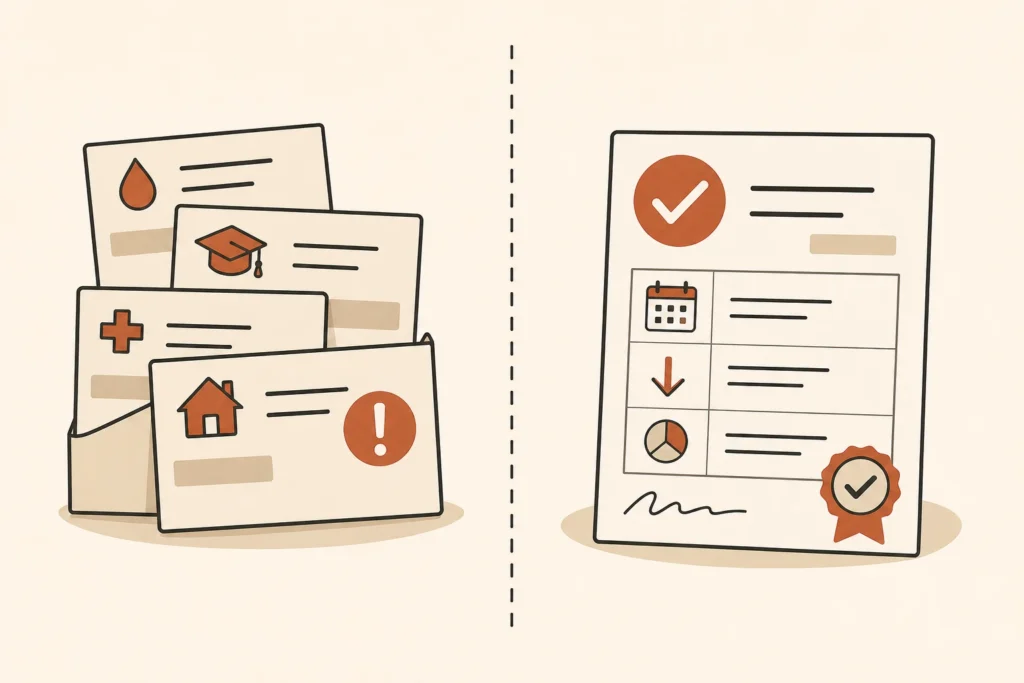
While sketching a sample pile of bills on paper, I once caught myself circling the notice with the biggest red type, and that small reflex is exactly what collection pressure is meant to trigger. This is short-term damage control rather than a decision to ignore any debt permanently, so separate the due date from the date something serious could happen based on your contract, provider, account status, and state or local rules.
Map the Consequences Before Sending Money
Reserve enough cash for groceries, necessary medication, and unavoidable work travel until payday. Put every other obligation into a short table, including bills already late, and mark court-ordered support, fines, or fees as having special status rather than mixing them with ordinary debt.
| Bill or expense | Amount and due date | What nonpayment could interrupt or endanger | What to ask before paying partially |
|---|---|---|---|
| Food, medication, work travel | Needed through next income | Health or the ability to earn income | How much must remain available now? |
| Housing and core utilities | Balance, due date, notice date | Housing, electricity, water, or heat | Will this amount change the next action or deadline? |
| Work access and necessary insurance | Balance and coverage date | Transportation, child care, employment, or coverage | Can the date or payment be moved without a lapse? |
| Car loan or court-ordered obligation | Balance and due date | Needed property or compliance with an order | What does a partial payment change, and will it be accepted? |
| Cards, unsecured loans, medical bills | Minimum and due date | Fees, interest, collections, or credit history | What temporary hardship option is available? |
I get frustrated by partial-payment folklore because sending $40 can feel responsible while accomplishing nothing. Ask whether the payment will be accepted, returned, held, or still treated as late, and whether it postpones the specific consequence you are trying to prevent.
Pay by Consequence, Not by Shame
Keep food, necessary medication, housing, electricity, water, and heat intact because housing delinquency can threaten where you live and utility delinquency can bring shutoff and reconnection costs, although timing varies. Income protection belongs in this high-consequence group when gas, transit, work equipment, child care, internet service, or required insurance directly keeps you employed or able to drive.
Bills tied to property you genuinely need also deserve close attention because a missed auto payment can create repossession risk, particularly when the vehicle supports work or caregiving, and any due-date change, catch-up plan, or extension may add interest or payments. Credit cards, unsecured personal loans, and many existing medical bills can bring fees, interest, collections, and credit damage, but those consequences may be less immediate than losing housing, heat, transportation, or work access, while current medication and necessary treatment remain essentials.
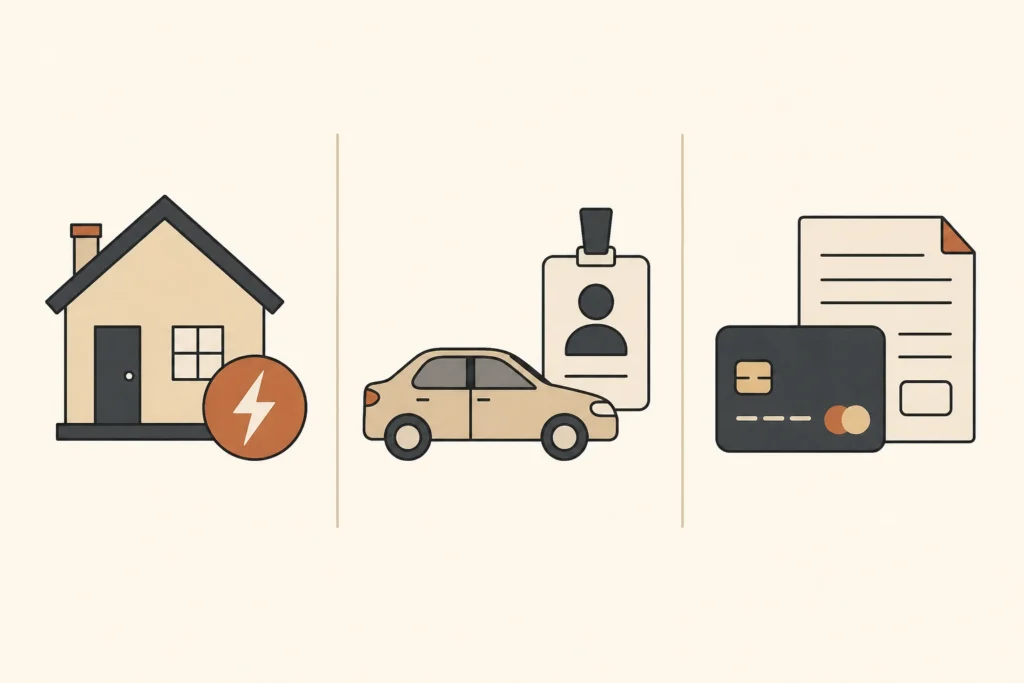
A court-ordered obligation may move ahead of this general order because its legal consequences can be different. Use the contact listed on the order or your local court’s self-help service to establish what a missed or partial payment changes.
This also answers the credit-card question directly: the minimum payment is not automatically first when paying it would leave you short on rent, food, medication, core utilities, or work access. The minimum still needs attention, but urgency is not the same as priority.
Call Before You Miss the Payment
- What hardship options are available on this account?
- What exactly happens if I pay the amount I have available?
- Can you move the due date, reduce the payment temporarily, or split it?
- Can you send the agreement, including any fees, added interest, and repayment effects, in writing?
Contact the landlord, mortgage servicer, utility, insurer, card issuer, or lender directly, and record the representative’s name, date, and case number. For an auto loan, an extension may increase interest or lengthen repayment, while for a credit card, be ready to explain why you cannot make the minimum, what you can pay, when normal payments may resume, and how long you need the reduced amount.
Use the Next Paycheck to Stabilize the Gap
Plan only through the following payday by writing down the income date, reserving food, medication, and necessary travel money, and reviewing automatic debits so they do not consume cash assigned to an essential. I’d rather see one urgent gap stabilized than token payments sprayed across every balance, because motion is not the same as progress.
Close the earliest high-consequence gap in housing, utilities, insurance, transportation, or a court-ordered obligation, honor any written payment arrangements, and direct whatever remains to catch-up debt. This is a bridge rather than a payoff strategy, so choose a separate debt method once essentials are stable.
If Essentials Will Be Short Again, Bring In Help Now
If the next pay period still cannot cover housing, core utilities, food, medication, work transportation, or necessary insurance after temporary arrangements, the problem has moved beyond one-month triage. That is a cash-flow gap requiring outside support, not evidence that you failed to try hard enough.
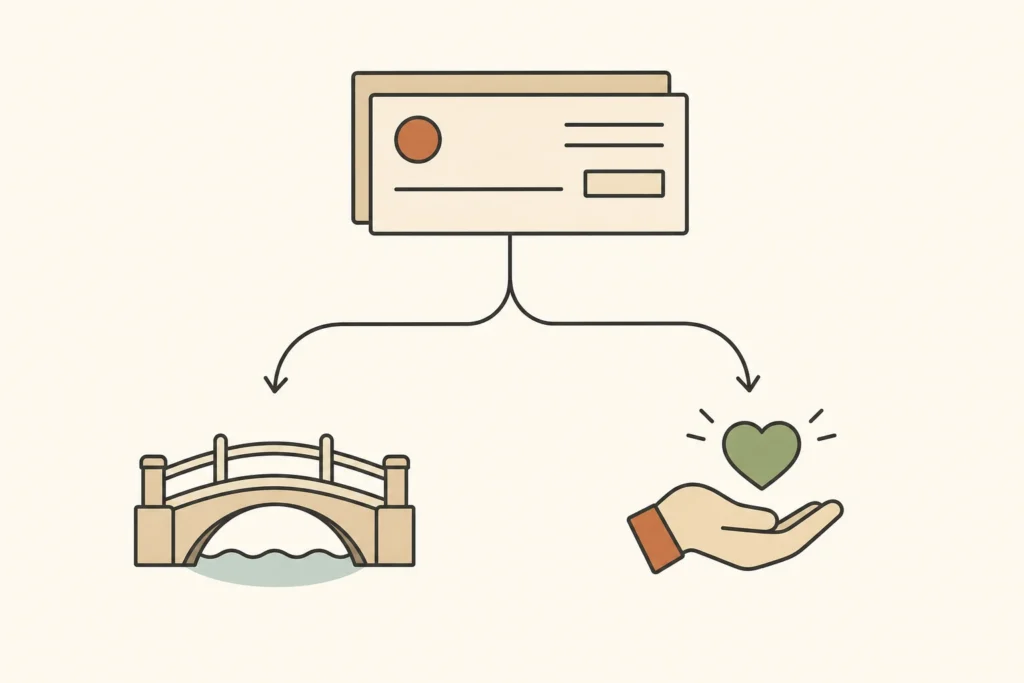
- Call 211 for local rent, utility, food, and benefits referrals. Available programs and eligibility vary by area.
- For energy bills, look for your state or tribal LIHEAP program. Assistance depends on local eligibility and available funding.
- For eviction, foreclosure, rental, or mortgage trouble, use a HUD participating housing counselor. Eviction, foreclosure, and homeless counseling are free through HUD’s network.
- For several unsecured debts, use NFCC nonprofit counseling for a full review of income, expenses, and balances. Ask about fees before enrolling in a debt management plan, and be wary of debt-settlement pitches that tell you to stop communicating with creditors.
Today’s job is smaller than fixing your entire financial life: make the first call attached to the highest-consequence bill, then write down exactly what was agreed.
Sources and references
- Consumer Financial Protection Bureau: CFPB Prioritizing Bills tool
- Consumer Financial Protection Bureau: What should I do if I can’t pay my credit card bills? (2026-09-02)
- Consumer Financial Protection Bureau: Worried about making your auto loan payments? Your lender may have options that can help
- U.S. Department of Housing and Urban Development: About Housing Counseling
- United Way 211: I need help paying my bills
- National Foundation for Credit Counseling: Financial Counseling