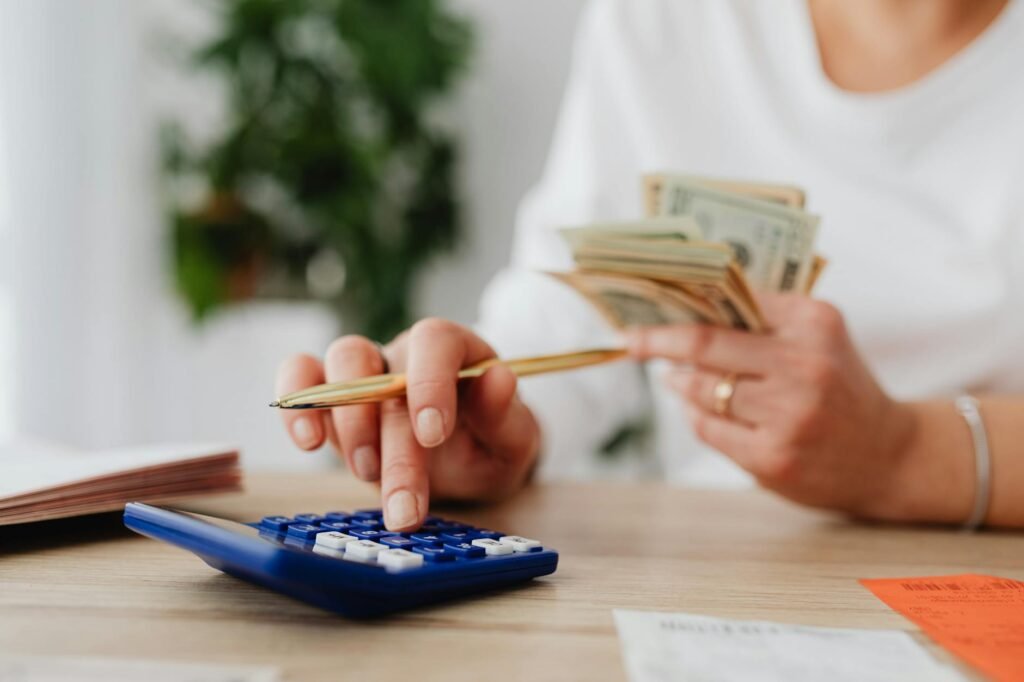
A no-spend challenge isn’t necessarily a challenge to not spend money. Instead, it’s an opportunity to remove things from your usual amount that you purchase and see those transactions more transparently. In effect, while you are removing optional purchases during a no-spend period, you stop hiding your spending habits behind ease, boredom, etc. This is helpful for “money audits,” especially if you have ever received a monthly bill and thought, “Wow! I spent that much?” The U.S. Consumer Financial Protection Bureau recommends recording all your spending over a two-week or month period to get a more complete picture of your spending, but also recommends going back and reviewing several months in order to capture irregular costs (e.g., insurance, medical expenses, gifts, and travel) that wouldn’t otherwise appear on your expense report for the current month. (consumerfinance.gov)
- What a no-spend challenge is really for
- Why this challenge exposes bad habits faster than a normal budget
- Set the rules before day one
- A 7-day no-spend challenge that actually teaches you something
- The worst money habits this challenge usually uncovers
- Example: what one week can uncover
- Common mistakes that ruin the challenge
- What to do after the challenge
- Bottom line
- References
What a no-spend challenge is really for
A successful no-spend challenge adds tension to non-essential purchases, which will still allow you to pay all of your necessary bills (rent, utilities, car insurance, minimum monthly payments on debts, and gas for commuting) while stopping the habitual or emotional purchases you otherwise would have made during an average week. The goal isn’t to make yourself miserable while attempting to get through a week with zero purchases but rather to examine the mental processes leading to your desire to purchase things during frustrating, hectic or emotionally flat times in your life.
That distinction matters because many households are not leaking money everywhere. They are carrying large fixed costs. BLS reported that housing and transportation accounted for over 50 percent of average household spending in 2024. So if your challenge reveals very little discretionary room, that is still a useful result. It means your problem may be bigger than takeout and coffee. You may need to lower a fixed bill, increase income, renegotiate debt, or change a recurring commitment. (bls.gov)
If almost all of your money already goes to essentials, this challenge may expose a cash-flow or fixed-expense problem, not a character flaw. That is an important difference.
Why this challenge exposes bad habits faster than a normal budget
- It breaks autopilot. A normal week lets you spend without deciding. A no-spend week forces a decision point.
- It separates need from default. Many purchases feel necessary only because they are frequent.
- It reveals triggers. You start noticing whether the urge shows up after work, during stress, when scrolling, or when meeting friends.
- It exposes category blindness. Delivery fees, add-ons, convenience store stops, and tiny online orders become visible.
- It shows whether your spending problem is emotional, logistical, social, or structural.
Statistics reveal why this is important. In 2024, BLS estimated an average consumer unit spent $78,535 annually. Of this total amount, housing and transportation accounted for more than one-half. Additionally, based on findings from the Federal Reserve: 17 percent of adults did not fully pay all their bills in the last month; 63 percent of adults indicated they would use cash or a similar form of payment to cover an emergency expense of $400; and 13 percent indicated that they would not be able to use any form of payment to cover that expense. Therefore, when margins are thin, little repetitive leaks have much greater influence than what they seem to have at any point in time. (bls.gov)
Set the rules before day one
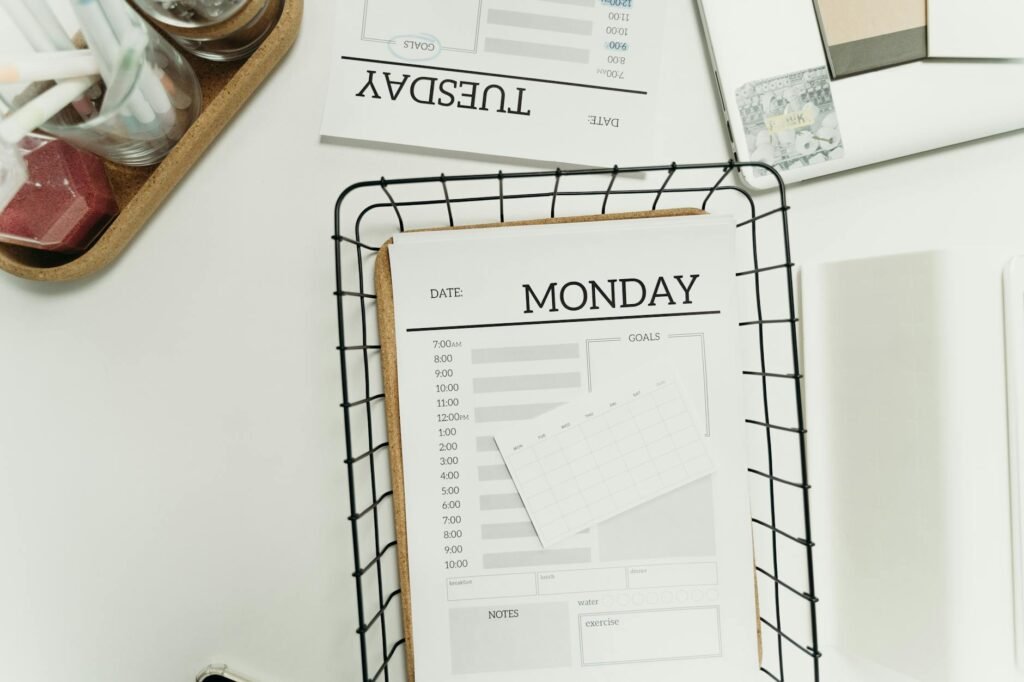
Before beginning your challenge, you will need to create a one-page rules sheet. In this rules sheet, you will need to establish how many days the challenge will run for, what constitutes an essential purchase, what purchases will be put on hold during the challenge, and what constitutes an emergency. You should also consider irregular but necessary expenses, such as insurance premiums, medical costs, school clothing, gifts, charitable contributions, and vacations, because the CFPB advises consumers to consider these expenses so that consumers do not mistakenly believe that they are keeping their expenses under control while, in fact, they are simply avoiding to account for their larger expenditure categories. (cfpb.gov)
| Spend type | Default rule | Examples | Why it belongs there |
|---|---|---|---|
| Core essentials | Allowed | Rent, utilities, groceries for planned meals, medication, childcare, fuel for work | These keep your household functioning |
| Pre-committed obligations | Allowed | Minimum debt payments, insurance, transit pass, tuition | Skipping them creates a fake win |
| Replaceable conveniences | Paused | Takeout, coffee runs, delivery fees, impulse Amazon orders | These are the habits you are testing |
| Entertainment and browsing buys | Paused | Sale shopping, app purchases, decor, random store runs | These reveal boredom and reward spending |
| Gray-area spending | Case by case | Birthday gift, school event, car repair, work lunch while traveling | Decide before day one so emotion does not write the rule |
A 7-day no-spend challenge that actually teaches you something
- Pick seven ordinary days, not a vacation week and not a week full of birthdays or travel. You want normal data.
- Pull the last 30 days of checking, credit card, and payment app history before you begin. Mark your biggest optional categories so you know what you are testing.
- Write three lists: allowed spending, paused spending, and emergency-only spending. Keep the list on your phone.
- Create friction. Remove shopping apps from your home screen, log out of saved retailers, and turn off promo emails and push notifications for the week.
- Track every urge to spend. Write down what you wanted, the time, where you were, how you felt, and whether you bought it anyway.
- Use what you already have. Plan meals from your freezer and pantry, brew coffee at home, and pick one free backup activity for boredom.
- At the end of each day, total any allowed spending and review every urge. Look for patterns by time, place, and emotion.
- On day eight, sort what you found into four buckets: keep, cut, replace, and review later.
To verify your results, do not rely on memory. Pull checking and credit card statements, payment apps, delivery apps, and retailer order histories. The CFPB suggests using statements, receipts, or a notebook to track everything, and the FTC advises reviewing statements after canceling subscriptions to make sure charges actually stop. (consumerfinance.gov)
The worst money habits this challenge usually uncovers
Convenience spending disguised as necessity
If the challenge feels hardest at 7:30 a.m., noon, and 6 p.m., you may not have a shopping problem at all. You may have a routine problem. A coffee habit can be a late-wake-up habit. Delivery can be a no-dinner-plan habit. Overspending on snacks can be a long-commute habit. This is good news because operational problems are often easier to fix than emotional ones. Prep two breakfasts, keep a backup lunch at work, and build a five-minute dinner list before the week starts.
Subscription creep
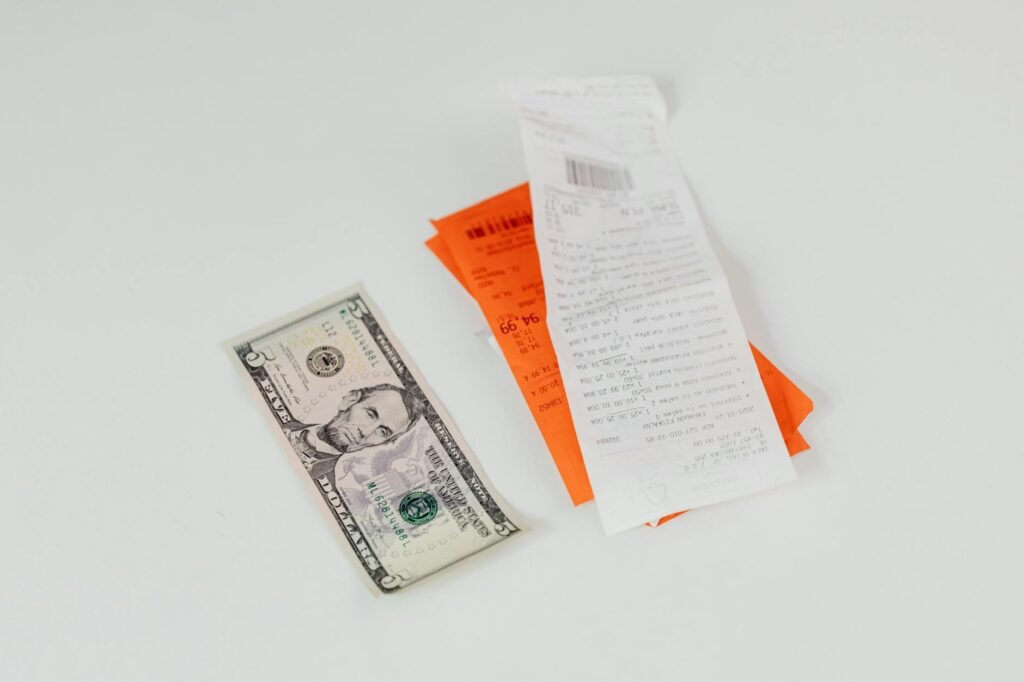
For many people, committing to a month-long no-spend challenge can serve as an eye-opening experience regarding their active subscription services. As highlighted by the Federal Trade Commission (FTC), “many free or trial subscriptions continue to bill you as soon as your free or trial period is over unless you cancel; therefore, keep a copy of your cancellation request and after you have cancelled, monitor your bank and credit card statements for further charges.” Any service that was easy to initiate but difficult to terminate does not only cause frustration but serves as the quintessential case of a financial chain that this challenge is designed to illuminate. consumer.ftc.gov
Emotional reward spending
When someone makes an impulse purchase on a bad day, it can lead to “I deserve this” thinking. It’s not just the one purchase that is the issue; the issue is whenever we use a certain way to shift our mood (e.g., excess shopping) to help cope with a negative situation. One way to see if this is your trigger would be to identify your pattern of behaviours when you are tempted to spend. For example, if after impulse buying you still feel the same negative emotion, it is likely that the impulse to spend isn’t linked to your emotional state. If you identify yourself within this behaviour pattern, then find alternatives to your current pattern (exercising, texting a friend, saving money, makes tea, or have a pre-made list of inexpensive rewards).
Social spending you never budgeted for
When people do group activities, sometimes their decision to buy an item is less about the product and more about being part of the group. For example, people will buy a last-minute lunch, a group gift, extra rounds of drinks, ride sharing, or just because everyone else is getting one. By trying a no-spending week, you’ll discover how much you spend based on someone else’s timing, but that does not mean you should avoid social activities. Instead, consider using some sort of script (e.g. I am not responsible for food this week, but I can still go with you; or I will prepare water at home, but I can walk with you) when participating in these types of activities.
Small leaks that feel too minor to matter
Volatile purchasing behavior, such as small convenience snacks, expedited shipping, digital add-ons, app fees, and quick one-stop shopping can create a large cumulative impact. As cited by the Federal Reserve, 17% of U.S. adults were unable to pay all their bills on time last month, and 13% do not have the means to cover a $400 unexpected expense. With limited resources, repeated small leaks may make the difference between staying calm versus being in complete chaos. (federalreserve.gov)
Example: what one week can uncover
Consider a fictional but realistic example. Maya, a 34-year-old project coordinator, feels like she is always careful with money but never has much left over. She runs a seven-day no-spend challenge and allows only groceries, gas, rent, and her regular bills. During the week, she records eleven urges to spend. Four happen when she is too tired to cook, three happen during afternoon boredom at work, two happen after seeing sale emails, and two happen because friends suggest grabbing something on the way home. By day seven, she has skipped $86 of takeout, $24 of coffee runs, and $18 in delivery fees and tips. She also notices two subscriptions she forgot about, worth $29 a month. The result is not that Maya should never buy takeout again. The result is that her real money leak is a combination of meal-planning gaps, inbox temptation, and autopilot subscriptions. Her fix becomes specific: grocery order on Sunday, one freezer backup meal, promo emails unsubscribed, and a monthly 20-minute subscription review.
Common mistakes that ruin the challenge
- Making the rules too strict. If you ban true essentials, the challenge becomes unrealistic and the data becomes useless.
- Treating every allowed purchase as failure. Groceries and required bills are not cheating.
- Forgetting irregular expenses. A challenge that ignores real annual or seasonal costs gives false confidence.
- Not tracking urges. If you record only purchases, you miss the emotional and situational patterns.
- Restarting after one slip. A single coffee does not ruin the exercise. Hiding the slip does.
- Going on a rebound spree afterward. The goal is insight and better rules, not a reward binge on day eight.
What to do after the challenge
- Circle the repeated urges first. Patterns matter more than one-off purchases.
- Write one replacement rule for each major habit. Example: no delivery on weekdays unless the grocery plan failed for a documented reason.
- Cancel or downgrade what you did not miss. If you cancel subscriptions, save confirmation emails and check later statements to confirm the charges actually stopped. (consumer.ftc.gov)
- Build a friction system. Remove stored cards from favorite shopping sites, mute sale alerts, and set a 24-hour wait rule for nonessential online purchases.
- Redirect part of the savings immediately. Move the amount you did not spend into an emergency fund, debt payment, or sinking fund so the win becomes visible.
- Repeat a smaller version monthly. One low-spend weekend or one subscription review each month keeps the habits from growing back.
The purpose of this article is only for general information and therefore it is not providing you with personal finance advice. If you are behind in paying your bills, having to use your credit to pay for everyday expenses, are in collections, or trying to figure out your options for debt solutions, you may want to speak to an experienced professional who specializes in finance or a non-profit organization that provides credit counseling services.
Bottom line
The point of a good no-spend challenge is not to show if you are good or bad at managing your money; it’s to show you where you have gaps in your systems. If there is a type of item that keeps getting purchased, there is a system problem that can be addressed. This is the true value of doing the challenge; it isn’t taking part in a period of sacrifice, but rather gaining a clear roadmap to understanding your money when you’re not paying attention to it.
How long should a no-spend challenge last?
Seven days is enough to expose daily triggers. Fourteen to thirty days gives better visibility into less-frequent spending. The CFPB says spending tracking works best over at least two weeks or a month if you want a clearer picture of where money goes. (consumerfinance.gov)
What if I mess up on day two?
Do not restart. Record what happened, why it happened, and whether the purchase was emotional, social, or logistical. A slip is data.
Should I use cash only during the challenge?
Not necessarily. Use whatever payment method you normally use, as long as you track every transaction and every urge. The challenge is about visibility, not forcing a payment system that distorts your normal behavior.
Is this realistic if most of my bills are fixed?
Yes, but the lesson may be different. BLS data shows housing and transportation made up over half of average household spending in 2024. If your challenge reveals only a little optional spending, that points toward a fixed-cost or income issue, not just a habit issue. (bls.gov)
Should I cancel subscriptions during the challenge?
If you are not using them, yes. The FTC advises consumers to follow the company’s cancellation instructions, keep records of the request, and watch later statements for continued charges. (consumer.ftc.gov)
References
- CFPB: Track your spending with this easy tool — https://www.consumerfinance.gov/about-us/blog/track-your-spending-with-this-easy-tool/
- CFPB: Assess your spending — https://www.consumerfinance.gov/owning-a-home/prepare/assess-your-spending/
- FTC Consumer Advice: Getting In and Out of Free Trials, Auto-Renewals, and Negative Option Subscriptions — https://consumer.ftc.gov/articles/getting-and-out-free-trials-auto-renewals-and-negative-option-subscriptions
- BLS: Consumer Expenditures–2024 — https://www.bls.gov/news.release/cesan.nr0.htm
- BLS: Consumer Expenditure Surveys — https://www.bls.gov/cex/
- Federal Reserve: Report on the Economic Well-Being of U.S. Households in 2024 — https://www.federalreserve.gov/publications/files/2024-report-economic-well-being-us-households-202505.pdf?mod=article_inline