- A no-spend challenge is just that: a short time when you stop non-essential spending, to see how you spend and when you spend, not to “be perfect.”
- The win is the information: What do you try to buy? Why do you try to buy it? What emotion or situation sparks the attempt?
- You’ll need a written “rules sheet,” a daily 2-minute log, and a “replacement list,” (aka free resources to fill the gap if you try to buy)?
- End with a straightforward reset: keep what works as a permanent “money rules list” and gradually bring back spending, with caps.
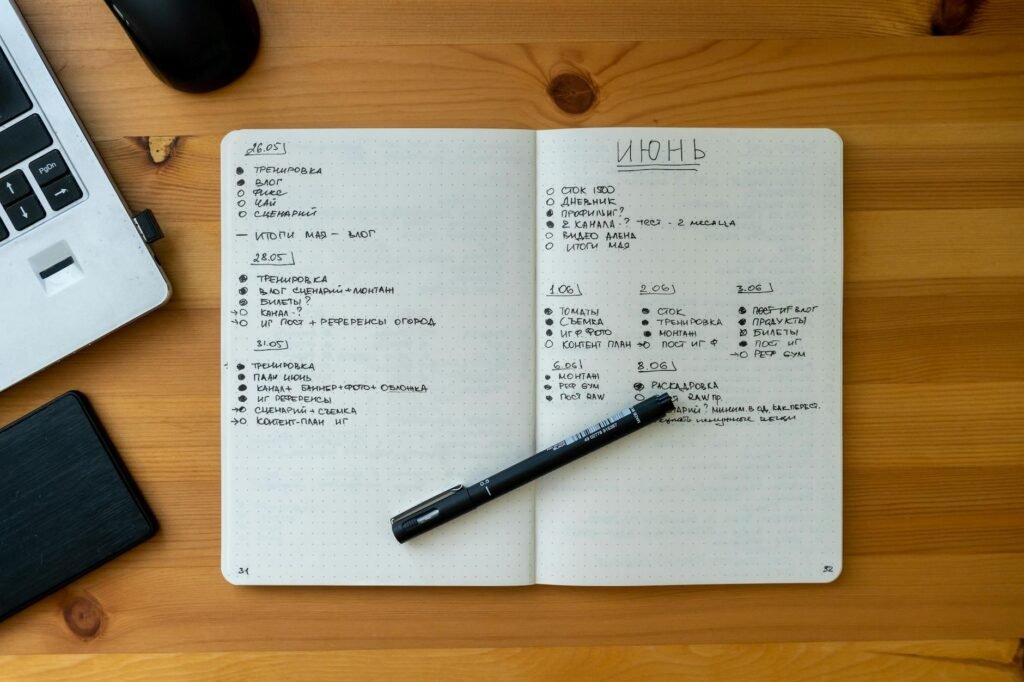
Photo by Max Bonda on Pexels · Pexels License (free to use)
What a no-spend challenge really is (and why it works)
A no-spend challenge is just that: a time when you stop spending (for a time) but KEEP paying for what you need, like rent and utilities. The point is not to “prove” you have willpower by “being perfect” for 7, 14 or 30 days (but you can try and see what happens) but rather to “pull back the curtain” on default spending and see what habit is underneath (impulsive spending, convenience spending, subscription creep, social pressure, emotional spending).
When it works, it creates friction (an extra step) between desire and spending that reveals exactly what we seek to buy and when, why, and what we’re REALLY trying (or avoiding) feeling or experiencing at this moment.
The rules: what you can spend on (without guessing)
Your no-spend rules must be written, specific, and realistic. If the rules are fuzzy, you’ll spend mental energy endlessly debating every little decision—then you’ll get bored and “accidentally” justify the purchase anyway.
Example no-spend rules you can copy (customize for your life):
| Category | Allowed | Not allowed (paused) |
|---|---|---|
| Bills & obligations | Rent/mortgage, utilities, insurance, minimum debt payments, childcare, medical copays | Late fees caused by forgetting (set autopay/reminders instead) |
| Groceries | Staples and planned meals; replacement-only rule (buy only what you’ll actually cook/use) | “Just in case” snacks, expensive convenience add-ons, grocery store impulse aisles |
| Transportation | Gas/transit needed for work/essential errands; required maintenance | “Treat yourself” upgrades (premium parking, extra rideshares when a free option exists) |
| Eating out | Only if pre-defined: e.g., 1 planned meal with a friend up to $20 | Random takeout, delivery apps, coffees because you feel tired/bored |
| Shopping | True replacements only (e.g., kids’ shoes if they don’t fit) | Clothes, home decor, gadgets, “stocking up” on non-essentials |
| Digital spending | Existing subscriptions you choose to keep for the month | In-app purchases, new subscriptions, paid upgrades, impulse downloads |

Photo by Ketut Subiyanto on Pexels · Pexels License (free to use)
Tip: If you’re doing this with a partner, agree on the rules in writing and even define a dollar threshold for “we must text each other first” (even something like $10 helps). Plan some relief valves (exceptions under specific conditions, not a loophole or reward): going out for ice cream on Tuesdays, ordering a burger on your way home every Friday, etc.
Pick a week to do it all (and tell people about it). Don’t back out. Have fun. Take notes—how you feel, patterns you discover, traps you dodge and habits you swap. You’ll learn more about your behaviors than you might expect to in a self-proclaimed successful no-spend challenge.
If possible, pick a month when reasonably predictable life circumstances abound. Avoid major life events or holidays; if the first day of your saved-month is the start of back-to-school shopping, your well-exercised willpower may end with first-day-of-school jitters. (Canada has the Eloise rules: three riotously expensive outfits per year per department store for birthdays, Christmas, and Dress-Up Day.) Plan a week when your life pattern is pretty much guaranteed—this will only set you up for success.
Track only two numbers during the challenge: (1) discretionary spend = $0 (or your pre-set cap), and (2) number of urges per day. The urges are your habit data.
Do a weekly review: identify your top 3 triggers and pick one “environment change” (not willpower) to reduce them next week. End with a ‘re-entry plan’: decide what spending returns, what stays paused, and what gets a permanent limit (think: dining out ‘X’ times a month, one set cash envelope or limit each week, etc.).
The habit “tells” your no-spend challenge will uncover
Think of every urge to spend as a clue. Below are common patterns the challenge surfaces—and what to change so you don’t have to rely on your motivation alone.
| What you keep wanting to buy | What habit it exposes | Fix to try (behavior + system) |
|---|---|---|
| Delivery/takeout | Decision fatigue + convenience spending | Create a default 10-minute meal list; keep 2 emergency freezer meals; schedule one planned takeout night so you’re not white-knuckling it |
| Random Amazon/Target runs | Boredom shopping + “shopping as entertainment” | Replace with a timed walk, library browsing, or a “use what you have” home project. Keep a wishlist with dates instead of a cart. |
| Impulse purchases – Coffee/snacks out | Micro-spending leak | Batch a week of drinks/snacks at home. Set one day a week to do things out; keep a small “out-and-about” snack kit in your bag/car. |
| Impulse purchases – Skincare/makeup, clothes, gadgets | Fantasy-self spending (buying the life you imagine) | Create a one-in/one-out rule or use a 30-day list. Set a category cap and save for one high-quality item instead of frequent small buys. |
| Kids’ impulse purchases | Stress spending + guilt spending | Plan a free “yes days” (park, library, movie at home), giving kids a small weekly budget of allowance they control. |
| Subscription upgrades | Subscription creep + ‘set and forget’ | Do a subscription audit; cancel or pause and put on a calendar reminder every 90 days. |
| Purchases – Sales/discounts | Deal chasing (confusing “saving” with “spending”) | Write a rule: “Discounts don’t count unless it was already on my list for 7+ days.” |
| Late-night shopping | Emotional regulation + tired brain | Set a “store curfew” (no browsing after x pm); Charge phone outside of bedroom, use app limits. |
Day 3: Subscription check: write down every subscription you have and when it renews. Cancel one that you don’t actually use.
Day 4: Social plan: pick a night one week from now and schedule a free or cheap hangout so you don’t fall back on spending to socialize.
Day 5: Add friction: log out of shopping apps, take one shopping app off your phone, block one site during hours you’re most triggered.
Days 6–7: Review your urge log and decide on one permanent “money rule to live by” (examples below).

Photo by Towfiqu barbhuiya on Pexels · Pexels License (free to use)
Examples of “money rules to live by” (these are my rules, steal them)
- I wait 24 hours before any non-essential purchase (and 7 days for anything over $100).
- No shopping apps on my phone (browser only, with a written list).
- One planned takeout night per week, not random delivery or trips.
- If it’s not on my list, it’s not in my cart.
- I keep “fun money” and smaller, non-bill purchases, in a different bank account or envelope so I can’t overspend to pay any bills.
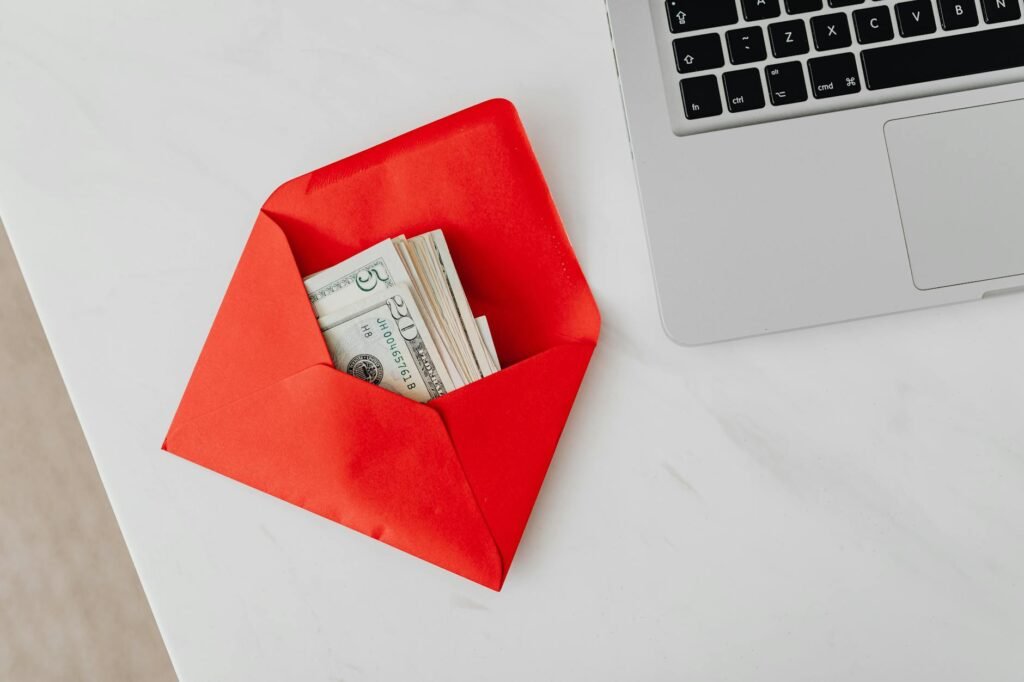
Photo by www.kaboompics.com on Pexels · Pexels License (free to use)
Common mistakes (and how to avoid “rebound spending”)
- Mistake: No exceptions at all. Fix: Preplan yourself 1 or 2 controlled exceptions each week if you have to or you’ll binge the following week.
- Mistake: You don’t meal plan/meal prep. Fix: Decide in advance what you will eat when you are tired, otherwise delivery or spending becomes the default fix.
- Mistake: You focus on “saved money” and not triggers. Fix: The urge log is the key, use it and think of it like an experiment.
- Mistake: You end with a shopping spree. Fix: Create a re-entry budget before day 1. If it isn’t on your re-entry list, it waits.
- Mistake: You do it alone with zero accountability. Fix: Tell one friend, do a shared spreadsheet, or set a weekly check-in.
How to measure success (no complex budgeting needed)
Success isn’t just “I spent $0.” It’s any perceptible improvement in awareness and control you can measure, such as:
- Discretionary spending: $0 or within your preset cap at month end.
- The number of “near buys” you successfully sabotaged and delayed until next week.
- Your top 3 triggers (time of day, feeling, place, app, etc.). Your fire starters.
- One system or system detail you changed (notifications disabled, saved cards deleted, meal plan used).
- A realistic re-entry rule you are ready to stick with for 90 days minimum and never need another.
What to do with the money you didn’t spend
If that “extra” just stays in checking like it usually does, it will vanish into thin air. Give it a job the same day it was “lost,” something that gives it purpose and then makes you feel the spark of budgeting success.
- Build a tiny buffer: move the difference into a separate savings account tied to no bills.
- Pay down high interest debt if you don’t know where else to move it (even small extra payments chip away interest over time).
- Create the “planned fun” sinking fund so treats are easily available but in planned and controlled, intentional ways instead of spontaneous ones.
- Pre-pay bill due dates of irregular fees, like car registrations, school fees, and Christmas gifts.
FAQ
How will I know if I really did “well” or “better”?
Quick checklist: your no-spend challenge setup:
- I chose a number (7/14/30 days).
- I chose a start date.
- I wrote my rules and exceptions (specific cuts).
- I had a meal system and a backup for the tired daze.
- I disabled spending conveniences (saved cards, 1-click purchases, push notifications).
- I scheduled a daily “purge” two-minute log every evening.
- I picked where my extra money should go (buffer, debt, sinking).
- I wrote out a reentry plan so there is no rebound spend.