- What a “financial mess” usually looks like (and why shame makes it worse)
- Phase 1: Stabilize in the next 24–72 hours
- Phase 2: Get organized without overwhelm
- Phase Three: Create a 30-day budget
- Phase 4: Call them—scripts included
- Phase 5: Deal with collections
- Phase 6: Debt payoff plan
- Phase 7: Emergency fund
- FAQs
A financial mess can feel like a personal deficit. It isn’t. It’s typically an avalanche of timing (job loss, health issues), math (cash flow vs. due dates), and imperfect choices that seemed best under pressure. The idea here isn’t to “feel confident” right away—it’s to create the foundation of calm that you can forget about on your worst day.
- Slow the spiral first: Take 20 minutes to deep breath, map out a mini-plan, and halt new losses. (Pause non-essential subscription services, avoid “quick-fix” loans).
- Write down the facts: List cash you have on hand, when you typically get income, bills due in the next 14 days, and list every debt you hold with balances and minimums.
- Protect the “must haves” first: Housing, lights, food, essential transportation, insurance, prescriptions.
- Call the right people in the right order. Landlord/mortgage servicer, utilities, auto insurance, unsecured creditors.
- Use a simple budget, that you can keep for 30 days. Not a perfect forever budget. This is a “for now” plan.
- Pick a debt strategy and stick to it (avalanche or snowball), not a little extra to everyone every month.
- Know your rights with collectors, and get agreements in writing.
- Build a little buffer. Even $250-1k can keep repeat crises at bay.
- Watch for scams. If the debt relief company asks for money up front, or promises a “guaranteed credit score boost,” run. – If shame is making you freeze, ask for support. You don’t have to do this alone.

What a “financial mess” usually looks like (and why shame makes it worse)
Most “messes” fall into a few buckets: you’re behind on bills, your debt payments are consuming your paycheck, you’re overdrafting regularly, you’re avoiding statements, or you’re juggling due dates with late fees.
Shame tends to push people into avoidance—ignoring mail, not opening apps, not calling creditors—until the problem becomes urgent and expensive.
Phase 1: Stabilize in the next 24–72 hours (no big decisions, just safety and clarity)
Step 1: Stop the panic loop with a 20-minute “money triage”
- Set a timer for 20 minutes. Your only goal is to gather facts, not solve everything.
- Write down: cash in checking/savings today, and your next payday date/amount (estimate if needed).
- List bills due in the next 14 days (just the essentials first). Include due date and minimum needed to avoid shutoff/eviction/insurance lapse.
- Write one sentence: “My first priority is to keep housing, utilities, and transportation stable.” Put it at the top of your page. If you feel yourself spiralling, step away before you make expensive “panic moves” (a high-cost loan, pulling retirement funds without a plan, or simply paying the loudest collector rather than the most urgent bill). You’re building order, you’re not playing chess with your anxiety. Do this even if the credit cards are squealing
People have known to skip a lot of things and fail a lot of responsible behavior to keep their housing, utilities, food, and transportation running, posters says. The thought of not having a roof over their heads, getting an eviction notice because they couldn’t pay rent, or eliminate certain utilities got posters really scared. Even to the point of no food. And if someone pulls your car, you might lose your job (and the vehicle). So, if you are stressed about bills, follow a priority scale like the sample below:
| Highest Priority | Lower Priority (can wait) |
|---|---|
| Housing (rent/mortgage) | Unsecured debts (credit cards, personal loans) |
| Utilities (power, water, heat) | Subscription services |
| Food | Shopping/entertainment |
| Essential transportation | Charitable donations (for now) |
| Insurance (car, health, etc) | Non-essential spending |
| Medicines/prescriptions |
Step 3: Freeze the leaks (cancel, pause, or downgrade—temporarily)
- Cancel or pause your subscriptions (streaming, apps, boxes) you may not be able to pay for the next 30 days. You can always restart.
- Pull saved cards from shopping apps and delete any “one-click buy” shortcuts in your browser.
- Try a 7-day waiting rule for any non-essential purchase over a number you choose (example: $50).
- Are you overdrafting? Have your bank turn on low-balance alerts so that you can no longer gloss over reality and consider keeping a small rainy day buffer (even just $50 to $100) in checking.
Phase 2: Get organized without overwhelm (your “money map” in one page)

You don’t need some fancy spreadsheet. You need one place where the truth lives, so you don’t have a fight every time you check your balance.
Build your one-page “money map”
- Income: list each source and date it lands (paychecks, benefits, child support, side work).
- Bills: write down essentials with due dates and the minimum amount necessary to stay on the right side.
- Debts: for each debt, write balance, rate (if you’re cool with that), minimum payment, and if you’re current, late, or in collections status.
- Banking: list all accounts and any automatic payments tied thereto.
- One pressure point: Write down the one most chaotic part of your financial situation (example: all the due dates clustering before payday; or an erratic gig income).
Pull your credit reports (for accuracy, not shame)
Not sure what account is out there (or in collections)? Your credit reports will let you know what’s reporting. In the U.S., AnnualCreditReport.com is the site where you can access the free annual credit reports that the law entitles you to. Use your credit report to make note of your accounts, balances, and anything you think may not be accurate—and dispute errors elsewhere.
Phase Three: Create a 30-day budget that eases worry (not forever)
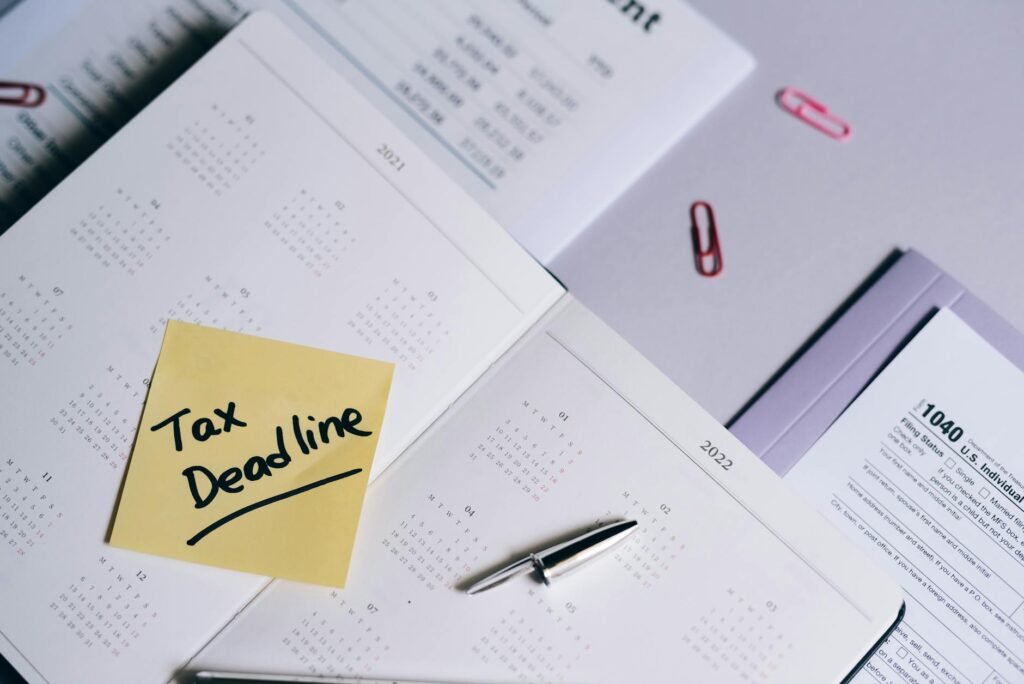
Your budget’s job is to create some stability and stop the bleeding. You’ll work on fine-tuning later. The CFPB suggests beginning with a clear picture of your income and expenses, then building the plan from there. Make a budget you can stick with, not a budget that looks good.
Here’s a simple way to set up a “calm budget” that should work for you when you’re feeling overwhelmed.
- Only focus on the next 30 days. Don’t spot budget a whole year while you’re in crisis.
- Decide on your “Essentials” number (housing, utilities, food, transportation, insurance, minimum debt payments).
- Decide on your “Leak Plug” number (the amount you’ll use to catch up on one priority late bill, or to stop a fee cycle, etc.) each month.
- Set aside a small Emergency Buffer contribution (even $10-$25 each paycheck) that goes directly away to break the next crisis loop.
- All non-fixed expenses have a temporary cap on them: dining out, shopping, entertainment, subscription services
A budget can “work” but you can still be in trouble if the bills land before you bring in money. In many cases shifting when the due date is and when you pay is more relaxing than cutting yet one more tiny thing from your budget.
Phase 4: Call them — scripts included — the sooner the better

Few things seem as humiliating as calling and possibly being turned down on a payment arrangement, but in many cases an early call opens up more options, like a fee waiver, payment plan, or a moved due date. Calmly, specifically, and with a number in mind you can actually pay, you’ll ask:
Before calling decide on your “real number”
- The payment you can actually make today (even if very small).
- The payment you could do monthly for the next 3 months.
- The date you can start (“after my paycheck on the 24th”).
- What you’re asking. Due date change, fee waiver, temporary lower payment, hardship plan, reduced interest rate, etc.
Script if calling: utility company / landlord / lender
“Hi, I’d like to keep this account in good standing. Right now I can pay $__ on__/__/____, and then $__ each month for the next three months. Are there hardship options, payment plans, or a way to move the due date to match my pay schedule? If there are fees, can any be waived if I start a plan today?”
Script if calling: credit card company hardship plan request
“I’m having a temporary hardship and am trying to avoid missing payments. I can pay $__ per month. Do you have some kind of hardship plan where you could lower the interest rate (or my payment) for a certain amount of time? If not, can we at least switch the due date and waive the late fees if I pay by __/__/____?”
Phase 5: Deal with collections without panic (and without making the problem worse)
If your account is in collections, your game plan is simply to slow everything down, confirm what’s real, and communicate in a way that protects you. Per the CFPB, “Under the Fair Debt Collection Practices Act (FDCPA), collectors are prohibited from certain acts when collecting an alleged debt” and there are “rules on communications and certain prohibited practices.”
A handy cheatsheet for collection calls
- Never give a caller your bank login or debit card PIN.
- Ask: “Will you mail or email me details of the debt, including the original creditor and amount claimed?”
- Never agree to a payment that you can’t sustain. A small, regular plan is typically better than a big promise that you break.
- Record: dates, times, who you spoke with and what they said.
- If you negotiate a settlement or payment plan, get it in writing first before you send them any money! If that’s panic-inducing then say “I can’t talk about this on the phone right now, can you send me the details in writing?” and hang up politely. Calm beats quick.
Phase 6: Pick a debt payoff plan you can stick to on your worst week
These are the two standard strategies you’ll hear about. Both work; the best for you is the one you’ll keep using for 6-12 months.
Debt payoff squaring up (quick cheatsheet)
- Important: do not start spreading “a little extra here and there” across all your debts. Pick one target debt and focus extra payments there. That’s how you build momentum and reduce stupidity load.
When does it all feel too complicated or too emotionally flooded to handle? You need outside help (counseling, debt management plan, scam-proofing) and there is no shame in that. Nonprofit credit counseling agencies may offer some budgeting help and a debt management plan (DMP) for some unsecured debts.
How to vet help (quick verifications you can do)
- Before you agree to anything, get a written fee schedule.
- Be wary of any company promising a guaranteed increase in your credit score or removing accurate negative information; the CFPB cites these as major signs of a credit repair scam.
- Be extremely leery of any ad offering for-profit debt settlement. The FTC’s Telemarketing Sales Rule restricts debt relief companies from charging fees in advance of achieving results (and other conditions). Wipe anyone from your list who wants big fees upfront.
- Like organizations that explain pluses and minuses, instead of what sounds like a college brochure. A legitimate counselor will help you compare ‘apples’ (self-payoff, debt management plan, consult with a bankruptcy lawyer, contact whoever your creditors are for hardship plans) based on your numbers.
Special situations (the “rules” are apparently different for these)
- Student loans (federal): assure you check out income-driven repayment (IDR) options.
- If you hold federally backed student loans, you may be eligible for income-driven repayment (IDR) plans which can lower payments depending on family size and income.
- Federal Student Aid offers official explanations of IDR, FAQs on the subject, and the CFPB has plain- language explanations of IDR concepts. If you fall behind, don’t ignore it. Student loan status has a way of advancing to default when left unpaid long enough. And it is usually much easier to get “back on the wagon” if you get there early in the round.
- Taxes owed: look at an IRS payment plan instead of ignoring notices
- If you owe federal taxes and can’t pay the amount due immediately, the IRS outlines payment plan (installment agreement) options and how to apply for them. The most essential action is to communicate—though tempting to ignore, avoidance often ends up creating more penalties and stress, and increasing the risk of IRS enforcement actions.
- Medical bills: slow down and ask for assistance
- Once you receive your bill, always ask for an itemized bill and locate any obvious wayward charges (like duplicate charges, or services you didn’t receive).
- Ask the provider what their financial assistance/charity care policy is, as well as what payment plans are available.
- If a medical bill ends up going to collections, treat it like you would any other collection: confirm the details and document everything.
Phase 7: One tiny emergency fund toward rebuilding confidence
A token emergency fund isn’t just a “nice to have.” It’s a proven tool for stress reduction. Here’s the CFPB’s take on building an emergency fund: Even modest savings can moderate the damaging blow of financial shocks, and short-circuit the most expensive debt cycles.
One thing you can do today that isn’t about spending less is establish a tiny emergency fund. Pick a first target, $250 (or even $100 if that’s what makes sense for you).
- Automate a tiny transfer on payday into a savings account.
- Decide in advance what constitutes an emergency (job income gap, car repair needed for work, urgent medical need).
- When you tap it, make it a priority to refill, before you increase how much extra you pay on debts again.
A realistic 14-day recovery plan (print this)
Two-week plan to replace panic with momentum
- Day 1: Stop the bleeding “What’s Vital” To-dos. Hit pause on non-essential expenses for now. List sources of cash + next income due. List bills that are due in 14 days.
- Day 2–3: Protect essentials Call housing, utility, insurance and if you cannot pay the full balance, ask about hardship options, grace periods or a plan to help you pay down the balance.
- Day 4–5: Get the full picture Build a one page money map. Pull credit reports to ensure accounts are correct.
- Day 6–7: Draft a 30-day budget List essentials, a catch-up amount, and a small-additional-contribution amount to make it less mechanically painful to commit to.
- Week 2: Pick and start a debt plan. Decide between “avalanche” or “snowball”. Set automatic minimum payments. Send minimums and any extra to one target debt.
- End of week 2: Is it repeatable? Set due date reminders on your calendar. Your week check-in should be something simple you learn to do at this time every week (15 minutes).
How to recover without shame (the part people skip)
- Change the belief: From “I’m bad with money” to…”My system is broken and here is what is wrong about it” (money wrong time, income drop, or medical cost etc.)
- Shorter time horizons. 30-day plan you can stick to…is easier than a perfect planning for a year you might not stick to.
- Actions, not feelings. “I called the utility company” is easier than the constant worry you still have even when you/you have called them.
- A 30-day “no new debt” rule to use this time, too, if there is a trusted friend/partner who can give you some accountability w/o judgment. One weekly check-in for 15 minutes.
- If financial stress, is triggering panic, and/or depression, or substance usage: come to a safe version or source you can call if you need: you can reach the 988 Suicide & Crisis Lifeline in the U.S. for crisis support; and SAMHSA’s National Helpline can also help you find mental health and substance use treatment resources in your area.
FAQs
Should I stop paying all my debts and save cash first?
Is a DMP another name for debt settlement?
What if I’m too ashamed to call anyone?
How do I know if a debt relief company is shady?
Will checking my credit reports hurt my score?
Your next small step (choose one)
- Make the one-page money map (15 minutes).
- Call housing or utility company and ask if they have payment plans (10 minutes).
- Set one low-balance alert on your bank account (2 mins).
- Automate $10 into savings on payday (3 min).
- Pick your debt strategy (avalanche snowball method) and choose your debt. (5 minutes).
References
- CFPB: Budgeting—How to create a budget and stick with it
- CFPB: Behind on bills—three steps to make tough choices in tight moments
- CFPB: An essential guide to building an emergency fund
- CFPB: What laws limit what debt collectors can say or do? (FDCPA)
- FTC Consumer Advice: Free credit reports
- FTC: Debt Relief Services & the Telemarketing Sales Rule (upfront fee restrictions and disclosures)
- CFPB: How can I recognize a credit repair scam?
- IRS: Payment plans (installment agreements)
- Federal Student Aid: Top FAQs about Income-Driven Repayment (IDR) plans
- CFPB: What are income-driven repayment (IDR) plans? (student loans)
- 988 Suicide & Crisis Lifeline: About 988
- SAMHSA: National Helpline