A “cheap” decision is fun: less money, less effort, quicker results. The trouble is that many “cheap” decisions don’t stay cheap, they move the cost of ownership forwards in time—repairs, replacements, higher consumption, lost time, anxiety, damage to relationships or your reputation.
This is the classic penny-wise and pound-foolish pattern: save a little now, pay extra later. (merriam-webster.com)

TL;DR
- “Cheap” = front-loaded price. “Expensive” = long-term total cost (money + time + risk + stress/bruised ego).
- Hidden costs are often buried in maintenance, replacement cycles, fees/interest, and opportunity costs.
- Lean on an effortless TCO mindset: what will this cost to buy/use/maintain/replace? (techtarget.com)
- There are a few categories where disallowing low cost = reliability: safety-critical, high-usage essentials, and anything that’s hard to redo.
- Build guardrails: decision checklists, mandatory quality standards, and a small “future problems” budget.
Why “cheap” ends in ruin
We get burned by cheap decisions because we’re optimizing the wrong thing. We optimize for the price of today (or the effort of today), not the lifetime cost of the choice.
1) You pay for replacement cycles (the “buy it twice” trap)
If quality is low, you don’t just pay money again, you pay the entire purchasing system again: researching, shopping, setting up, returning, disposing, re-learning, troubleshooting, etc. Even if the second one made the first obsolete, the first was still a cost. Cheap headphones that break = re-buy + time spent re-pairing devices + irritation during commutes. Cheap work shoes that wear out too fast = re-buy + sore feet + slower work productivity (and probably a second pair anyway). A “budget” tool that strips screws = ruined hardware + a useless second trip to the store + a better tool later.
2) You incur maintenance and “friction” costs
Low cost options tend to have higher costs of maintenance to install, operate, manage, repair, clean, babysit, call customer support about, or wait for inter-arrival time on. These costs are easy to ignore because they come packaged in bite size lumps until you tally them up.
A handy way to think about this is Total Cost of Ownership, or TCO: the total cost to purchase, use, and support something and whatever disposal/replacement costs, not just the purchase price.
3) You pay fees, interest, and “money math” penalties
Sometimes the “cheap” decision is cheap because the spot price and/or fees never tell you the whole story. Think late charges, financing charges, overdraft fees, subscription creep, and teaser pricing you get burned by later. Conversely, the benefits of the good and economical decision can accrue compound benefits if put to work over time; a dime placed in a productive activity pays off the longer it is put to work.
4) You create risk (and risk is expensive)
Rarely does mere risk make it on the receipt, but it’s still part of the bill. When a cheap option fails at the worst possible time, the costs skyrocket. Emergency replacements, shipping charges, time off work or repairs, or even secondary damage (for example, a little leak becoming a full on flood).
5) Some products are designed to die sooner
Not every short lifespan is happenstance. Many products are designed in ways that aren’t amenable to repair, and force you to replace them sooner than you ever wanted. That model is often referred to as “planned obsolescence.” (britannica.com)
The hidden-cost map: where “cheap” turns into “expensive”
| Hidden cost category | What it looks like | What to do instead |
|---|---|---|
| Replacement cycle | Breaks, wears out, stops meeting needs quickly | Estimate lifespan; compare cost-per-month (or cost-per-use) |
| Operating costs | Higher energy use, more consumables, more downtime | Look for efficiency and reliability; track ongoing costs for 30 days |
| Time costs | Extra errands, troubleshooting, set-up, returns | Value your time; choose the option that reduces repeat work |
| Risk costs | Failure at a bad time; collateral damage; safety issues | For safety/critical items, prioritize reliability and warranties |
| Fees and interest | Teaser pricing, subscription creep, late fees | Read the total contract cost; set alerts; avoid high-APR financing when possible |
| Opportunity cost | Money/time locked into a poor choice | Ask: “What could this money/time do if I didn’t waste it?” |
A practical framework to avoid “false savings” (use this before you buy)
- Define the job clearly. What problem are you solving—and what does “good enough” look like? (Example: “Work laptop that runs my tools smoothly for 3+ years.”)
- List the full lifecycle. Buy → set up → use → maintain → repair → replace. How many times a month do you really need that thing?
- A ten-year toaster used twice a year is not cheap like the toaster used once a day.
- Consider the “four hidden buckets”: (1) maintenance/consumables, (2) time and hassle, (3) failure risk, (4) fees/interest.
- Put it in cost-per-use or cost-per-month terms. It’s often deceptively cheaper to spend 2× on Option A if it lasts 4× longer.
- Explore the escape hatches—and check how long each lasts. Is there a decent return policy? Warranty length? Repair options? Repair parts?
- Decide with thresholds instead of just feelings. Sample rule: “If I’ll be using it every week, I won’t buy the very lowest-quality tier.”
- After you decide, do a quick ten-minute pre-mortem: “If things go bad with this decision, why, and how could it have been avoided?” Fix that risk now (or choose the other option).
Real-life examples (and the better decision behind them)
Example 1: The cheapest phone plan soon becomes a costly phone plan (and surprise! it’s still a monthly bill)
It might feel like a win, but if the cheap plan gets you trapped in surprise overage fees, has weak coverage where you need it, or throttles work calls right in the middle of important things, the “expense” of your decision often shows up in the form of lost time—or having to buy an emergency upgrade.
- Better approach: test things for a couple weeks on your commute and at home, then decide.
- Ask: How much does it cost you for one client call that you will never get back? Or one pickup you missed because your maps will not load?
- Find transparent pricing and data caps, not just the lowest “run-and-gun” price.
Example 2: Skipping small fixes around the house
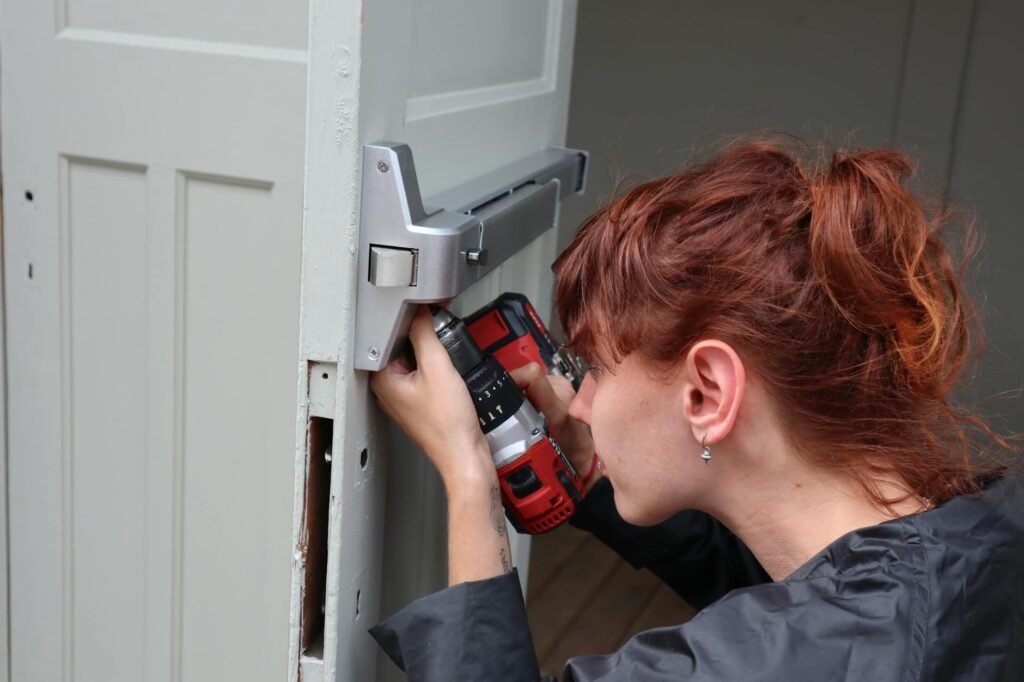
Patching over basic maintenance isn’t saving. In fact, you’re sometimes choosing bigger repairs down the road—and then managing repairs during an emergency pricing premium when things break at the worst time. In simple things that make life more efficient, small fixes can pay for themselves. Air sealing and insulation come up widely as cost-effective ways to reduce heating and cooling losses, and ENERGY STAR mentions potentially meaningful average savings from sealing and insulating. (energystar.gov)
Example 3: “Cheap” food habits are reworking your cable budget

“Cheap” is also that great meal that gives small returns—certainly not like “two-for-one takeout.” If your system is making extra garbage (like wilted lettuce, food you forgot, gross milk at the back of the fridge), then waste is already coming back at you.
Better idea: pick modifications on a limited supply of seven repeatable, versatile meals, and keep a backup dinner in your freezer and pantry.
Really analyze a week for food waste. What did you discard? Buy less of those and more of what gets consumed. Small tweaks over time improve returns (and your cable budget might thank you later).
Example 4: Buying the cheapest tools (then paying with your time)
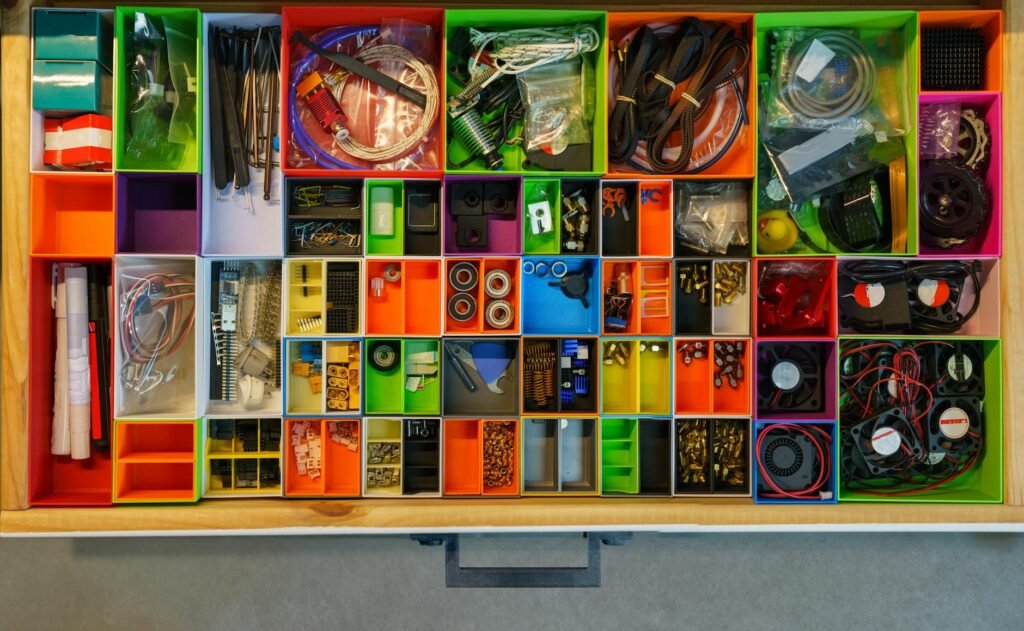
For rare use, a cheap tool is fine. But for anything you touch often, rough tolerances, weak materials, and uncomfortable grips mean slower work and more mistakes. When a $10 difference costs you another hour on your weekend, you didn’t save money—you just swapped it for friction.
When it’s smart to pay more (a one-page rulebook)
- High-use essentials: anything you touch daily/weekly (shoes, work garments, primary appliances).
- Hard-to-redo purchases: anything that needs to be installed, moved, or can’t easily be reconfigured if you change your mind.
- Failure-is-expensive categories: any product where a breakdown risks collateral damage or big life downtime.
- Your health/safety: don’t go cheap where your wellbeing or liability is at stake.
- Anything tied to making income: from gear to education to services—what supports your earning should get more consideration.
When living cheap is fine (and how to do it without stress)
Not all “cheap” choices are bad! Cheap can be a smart strategy as long as the downside is limited and you’re intentional.
- Low-stakes, low-use: items you use once or twice.
- Learning and experimentation: a starter version helps you learn which features matter to you.
- Temporary situations: short-term, with clear plans for upgrades and a date to reassess.
- Used or refurbished: when return policies and condition are clear (often better than “new but flimsy”).
A checklist you can save: “Will this cheap decision get expensive?”
| Question | If YES, what to do |
|---|---|
| Will I use this at least weekly? | Avoid the lowest-quality tier; compare cost-per-month. |
| Would failure create a domino effect (damage, lost work, safety risk)? | Prioritize reliability; look for warranty and service options. |
| Is it hard/annoying to return or replace? | Pay more upfront to reduce the chance you’ll redo the whole project. |
| Does this involve fees, subscriptions, or financing? | Calculate total cost over 12–24 months; set cancellation reminders. |
| Am I choosing this mainly because I’m rushed or stressed? | Delay 24 hours or set a spending rule (e.g., “sleep on it over $100”). |
| Do I understand why it’s cheaper? | If you can’t explain the tradeoff (materials, support, lifespan), pause. |
How to verify “value” quickly (without becoming a full-time researcher)
- Warranty length: Longer is usually better. What does the warranty actually cover? Parts, labor, shipping?
- Repairable: Can you actually get parts to fix this yourself? If not, will a shop do it? If repair isn’t practical, you’re just planning for another replacement.
- Review the return policy for deadlines and restocking charges—especially for big items.
- Total cost over a reasonable period (say 24 months)—including subscriptions, filters, accessories, and probable service.
- If you’re hiring a service (internet, insurance, contractors), ask for the “all-in” price on paper, and what could make it increase.
- Run a search through your bank or credit card statements to see how often you’ve bought this type of thing. Are you cycling through it too often?
Squeaky-cheap purchases are ultimately pricey if you’re replacing them too often, they add friction, come with hidden risk and fees, and mostly, throw up roadblocks to what you’re really building—stability, time, and optionality. The remedy isn’t simply to buy the most expensive thing. It’s to buy with a total view: total cost, not just today’s price.
FAQ
Is “buy nice or buy twice” some kind of universal wisdom?
Not exactly. It’s more or less true for categories where heavy use and tough replacement meet failure at a high cost. In areas where usage is light or short-term, a lower cost option can be correct if you’ve managed the risk (strict return policy, low-risk category, low-cost repairs, etc).
How do I compare two options in short order if I hate spreadsheets?
Cost-per-month: price divided by expected months of use. Tackle hassle/risk this way: if the cheaper option will eat your time or fail at a bad moment, rate it as “higher cost” even if the numbers are close.
What’s a minimal definition of total cost of ownership for financial decisions?
TCO = buy + use + manage/maintain + dispose/replace. Not just the purchase price—think the whole arc. (techtarget.com)
Where do people routinely underestimate long-term costs?
Repairs, downtime, subscription creep, interest/fees, taxes, and hidden “time leaks” like extra errands or delays. All those little things add up in bulk.
How do I stop making cheap decisions when I’m in a bingey mood?
Set a 24-hour waiting period—even for tempting high-ticket items. Keep a list of reliable brands/models. Make a separate fund for replacements and repairs so you’re not caught in panic buys.
What if I can’t swing the higher-quality option right now?
Reduce your downside! Buy the best you can with a good return window and warranty. Only go cheap in low-stakes areas. Make a plan to upgrade later so “temporary” doesn’t accidentally become “forever.”